 ThingsToDo
Ships and city stories on the harbour
Make SS Great Britain the main visit and keep the afternoon flexible. Walking and visit times are editorial estimates; check current harbour works and do not treat this as a verified step-free route.
History / BRISTOL
Explore a ship that makes Victorian travel feel tangible, from passenger spaces to the extraordinary hull in its dry dock. The surrounding dockyard and Brunel displays give the engineering a human context. This is a substantial harbourside visit, best given the main part of a morning.

STAY NEARBY
Find hotels and holiday rentals near SS Great Britain at Bristol Dockyards. Choose dates on the live map to check availability.
Affiliate link · We may earn a commission if you book.
Loading the Stay22 map allows its third-party cookies for analytics and booking attribution. Privacy details.
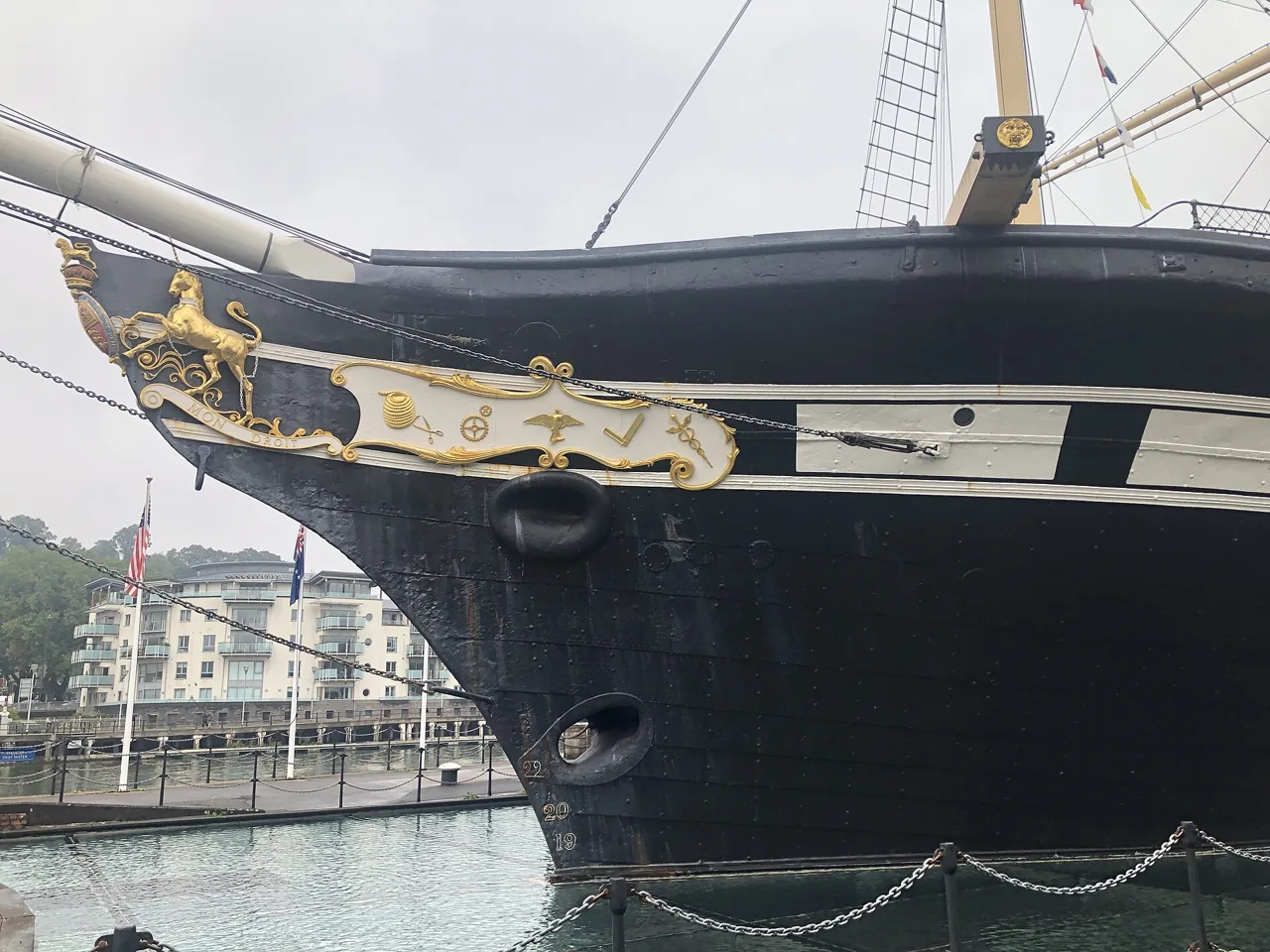
Choose the ship as your main paid stop and leave time for the wider Dockyards. Decks and the dockside bring outdoor exposure; the ship is not an entirely indoor wet-weather attraction.
Practical information checked 14 September 2026. Confirm anything essential to your visit with the venue.
Allow 2-3 hours for the visit, plus travel and breaks. This is a suggested planning allowance; opening times, access and availability may affect your plans.
HELP IMPROVE THIS GUIDE
Tell us what helped, what is missing or what needs correcting. Your feedback goes to the editor.