 ThingsToDo
A town morning of history and art
A compact central route on a confirmed gallery opening day.
Medieval remains beside the modern county hall / CARMARTHEN
Start with the surviving gatehouse, walls and elevated town setting to understand why Carmarthen mattered as a centre of power. This is a compact collection of remains among later civic buildings, rather than an intact castle with furnished rooms. It works as a short heritage stop before lunch or a wider walk through the town.

STAY NEARBY
Find hotels and holiday rentals near Carmarthen Castle. Choose dates on the live map to check availability.
Affiliate link · We may earn a commission if you book.
Loading the Stay22 map allows its third-party cookies for analytics and booking attribution. Privacy details.
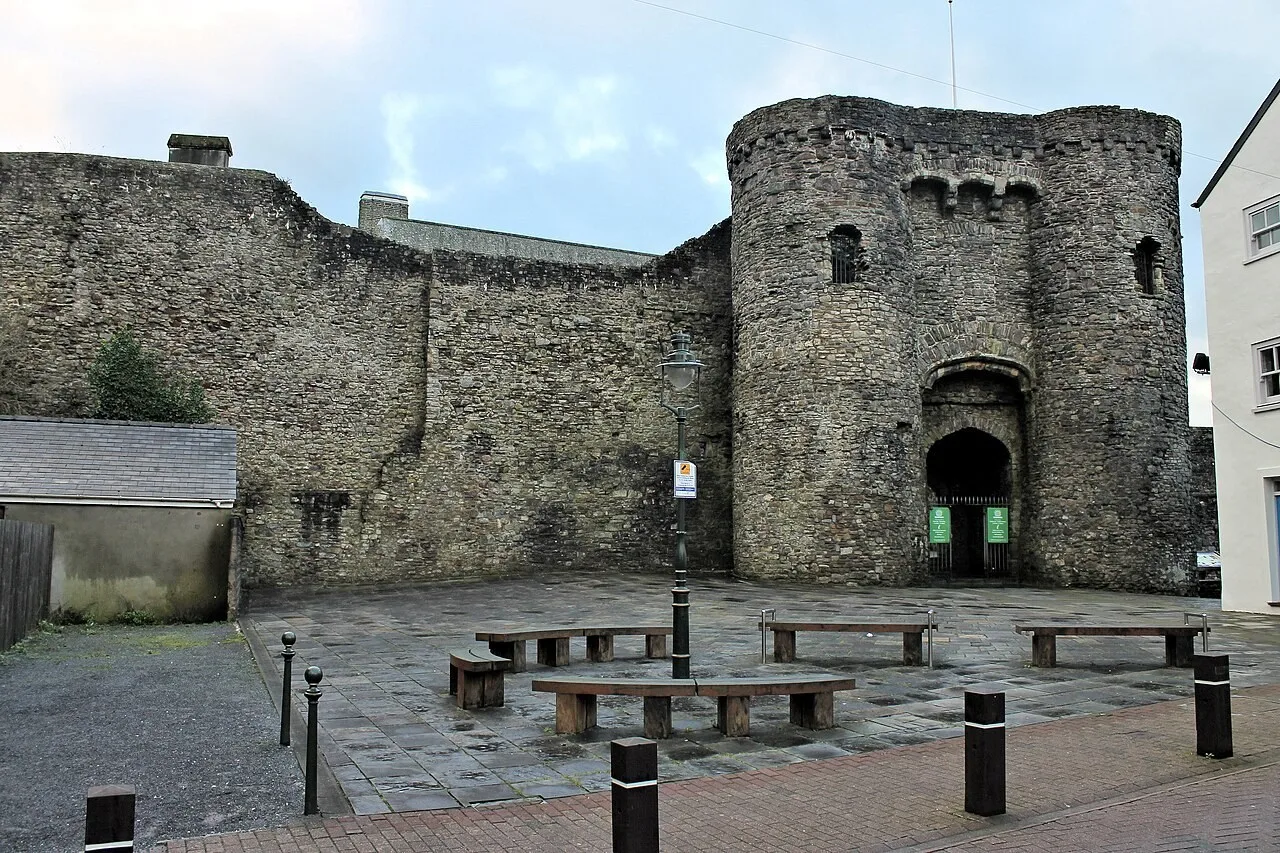
Treat the castle as one chapter of the town’s story. Allow time to look at the surviving masonry and views, then continue into the surrounding streets rather than expecting a half-day indoor attraction.
Practical information checked 15 September 2026. Confirm anything essential to your visit with the venue.
Allow 30-60 minutes for the visit, plus travel and breaks. This is a suggested planning allowance; opening times, access and availability may affect your plans.
HELP IMPROVE THIS GUIDE
Tell us what helped, what is missing or what needs correcting. Your feedback goes to the editor.