 ThingsToDo
Regional stories and a riverside break
A museum-led town day with the outdoor section kept flexible.
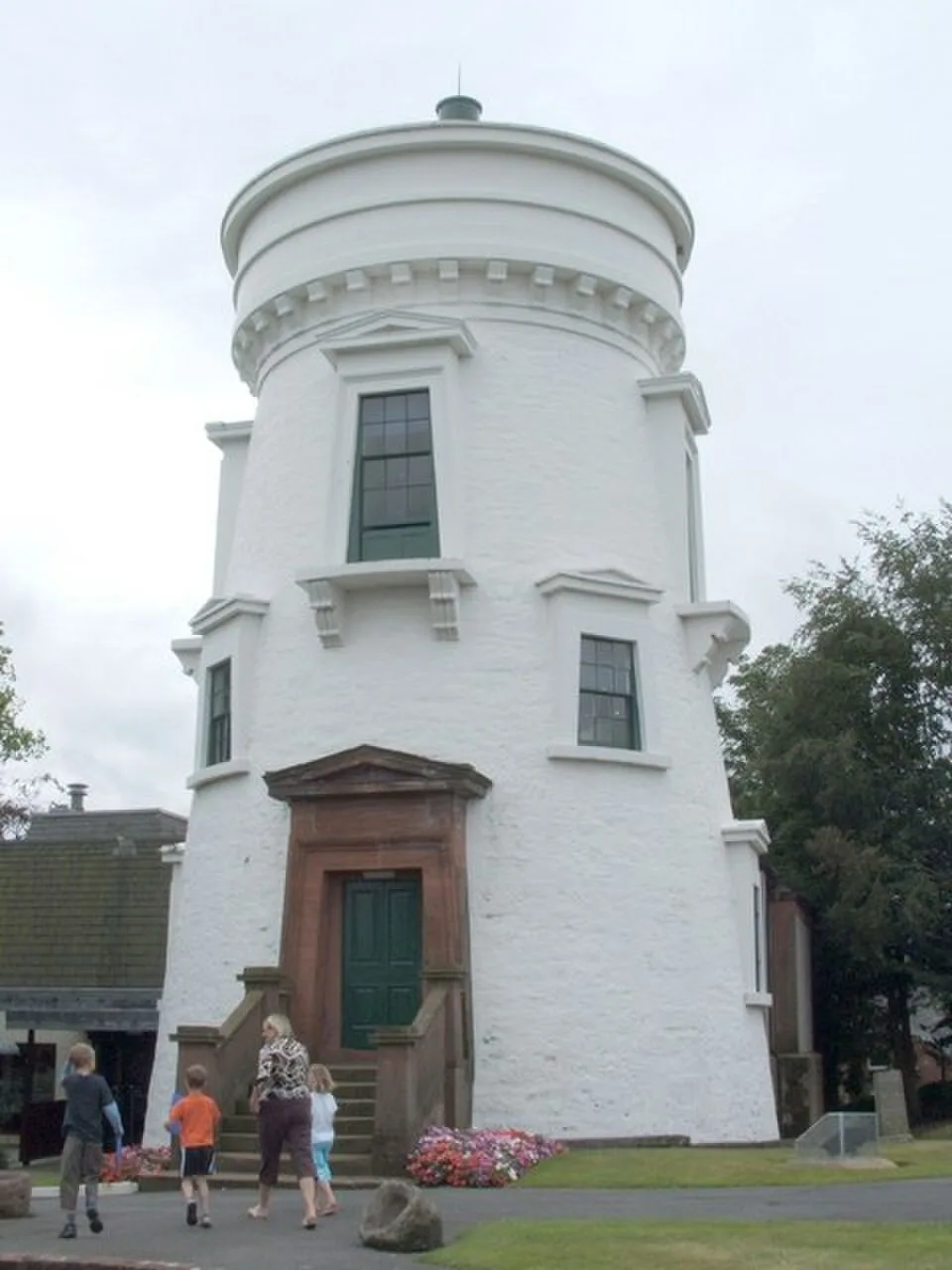
Regional history in the old observatory / DUMFRIES
Start with the objects that interest you most in this museum of the region’s people and landscape. Natural history, archaeology and everyday lives offer several ways into the collection without requiring a complete circuit. The old observatory gives the building an extra story, while the optional Camera Obscura is a separate experience with different access and weather requirements.

STAY NEARBY
Find hotels and holiday rentals near Dumfries Museum. Choose dates on the live map to check availability.
Affiliate link · We may earn a commission if you book.
Loading the Stay22 map allows its third-party cookies for analytics and booking attribution. Privacy details.
Treat the free museum as the main visit. The paid Camera Obscura cannot operate in rain or high winds, so it is not a wet-weather backup.
Practical information checked 15 September 2026. Confirm anything essential to your visit with the venue.
Allow 1-2 hours for the visit, plus travel and breaks. This is a suggested planning allowance; opening times, access and availability may affect your plans.
HELP IMPROVE THIS GUIDE
Tell us what helped, what is missing or what needs correcting. Your feedback goes to the editor.