 ThingsToDo
An exposed coastal reserve near Crawton / NEAR STONEHAVEN
RSPB Fowlsheugh
Fowlsheugh is a separate coastal outing south of Stonehaven, best known for its breeding seabirds in late spring and summer. Outside that season, come for the cliff scenery and a walk that suits conditions rather than expecting busy nesting ledges or guaranteed puffins. The small car park and rough path make it a place to plan deliberately.

STAY NEARBY
Make a weekend of it
Find hotels and holiday rentals near RSPB Fowlsheugh. Choose dates on the live map to check availability.
Affiliate link · We may earn a commission if you book.
Loading the Stay22 map allows its third-party cookies for analytics and booking attribution. Privacy details.
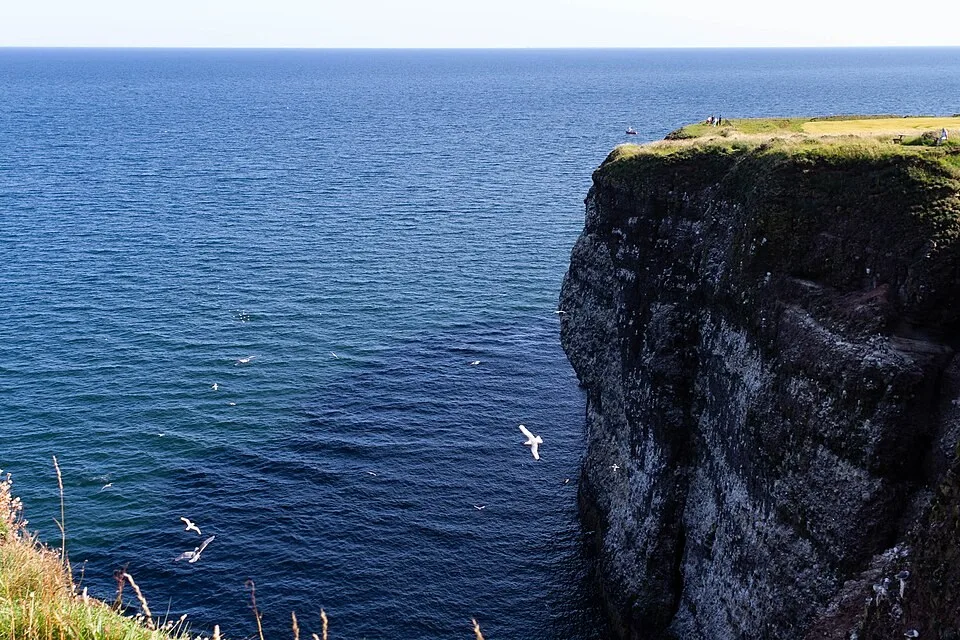
The main breeding spectacle is generally May to early August. If the car park is full, return later rather than parking on verges.
The practical details
- Where to find it
- Crawton, south of Stonehaven
Directions and arrival information - Tickets and booking
- Reserve admission is free for members and non-members. Parking is limited to a small number of spaces; coaches and caravans are unsuitable. Check current notices and weather before travelling.
- Access and getting around
- The approximately 1.5km trail is unsurfaced and uneven with two flights of steps and a one-metre gate. It follows exposed cliffs and has no toilets; the operator points visitors to Stonehaven for facilities.
Official access information - Visiting with children
- This is an exposed cliff walk, not a play outing. Children need close supervision; choose another plan if conditions or the route do not suit your group. Keep dogs on a lead.
Practical information checked 15 September 2026. Confirm anything essential to your visit with the venue.
Make it part of your day
Allow 1-2 hours for the visit, plus travel and breaks. This is a suggested planning allowance; opening times, access and availability may affect your plans.
Explore the Stonehaven guideHELP IMPROVE THIS GUIDE
Was this useful?
Tell us what helped, what is missing or what needs correcting. Your feedback goes to the editor.