CAMBRIDGE GUIDE Independent ideas for your day out
Art & culture / CAMBRIDGE
Fitzwilliam Museum
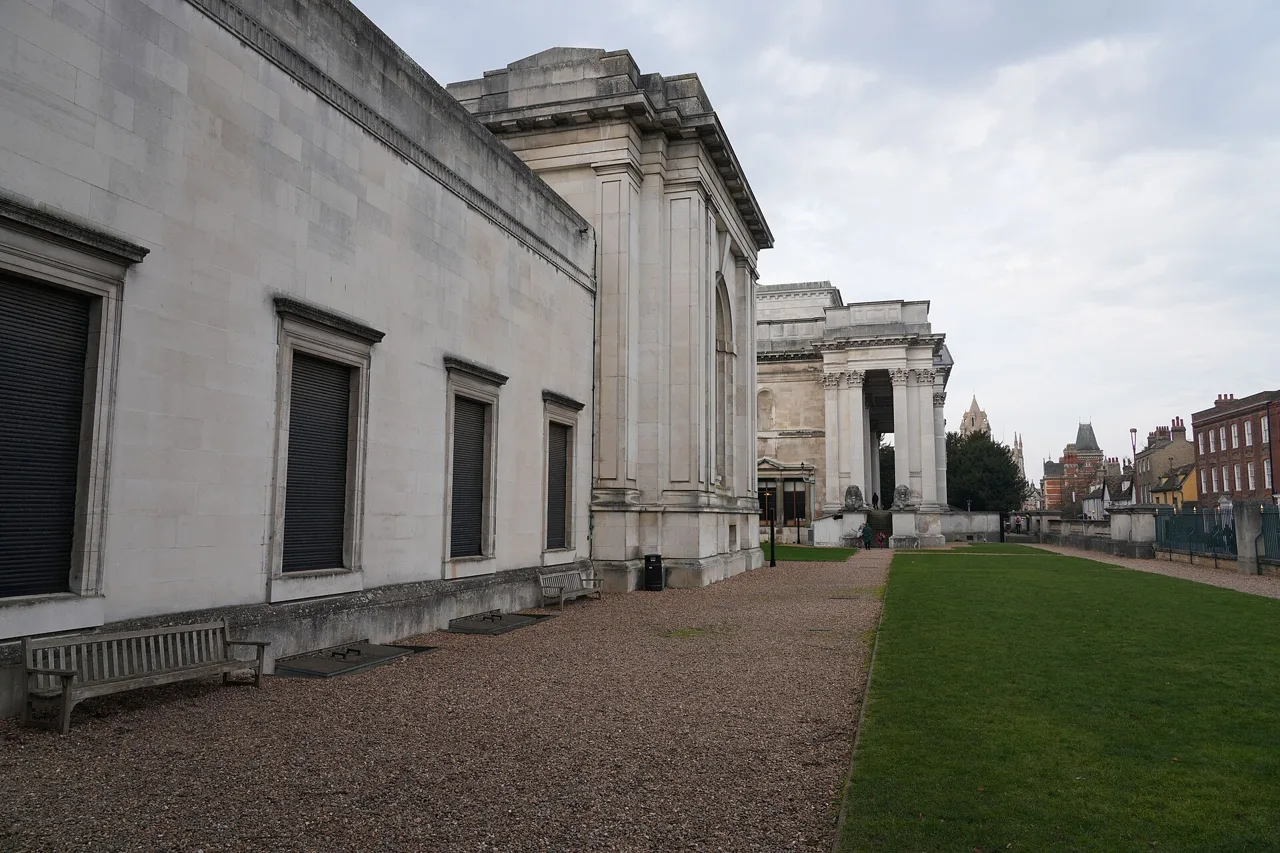
Paintings, ceramics and ancient objects make the Fitzwilliam a rewarding place to follow a particular curiosity. Choose two or three galleries rather than trying to absorb the whole collection. It can be the main event for art lovers or a shorter, free-entry stop between Cambridge’s college streets and the southern museums.
Map illustration · Open for local stays
STAY NEARBY
Make a weekend of it
Find hotels and holiday rentals near Fitzwilliam Museum. Choose dates on the live map to check availability.
Affiliate link · We may earn a commission if you book.
Loading the Stay22 map allows its third-party cookies for analytics and booking attribution. Privacy details.
Choose the courtyard entrance if you need a lift or are bringing a buggy. The grand portico entrance has steps and no lift at that end of the building.
General collections are free. Check separately for exhibition tickets and availability. Usually closed Mondays except bank holidays; consult the current visitor page before travelling.
Access and getting around
Street-level courtyard entry leads to the lift. Portable stools can be requested; accessible toilets are reached by lift or stairs. Read the museum map when deciding which entrance to use. Official access information
Visiting with children
Buggies and slings are allowed; backpack child carriers are not. Ask for the family trolley’s drawing materials and sensory resources, and plan a snack break outside the galleries.
Practical information checked 14 September 2026. Confirm anything essential to your visit with the venue.
Make it part of your day
Allow 1½-2½ hours for the visit, plus travel and breaks. This is a suggested planning allowance; opening times, access and availability may affect your plans.
Pair exploration stories with art and ancient objects on a Tuesday to Saturday when both museums are scheduled to open. Time and walking estimates are editorial; check current closure notices before setting off.
HELP IMPROVE THIS GUIDE
Was this useful?
Tell us what helped, what is missing or what needs correcting. Your feedback goes to the editor.
 ThingsToDo