CAMBRIDGE GUIDE Independent ideas for your day out

A LITTLE PLANNING. A BETTER DAY.

Things to do in Cambridge with kids

Animal skeletons, expedition equipment and room to notice plants can make a Cambridge family day more engaging than a long succession of college façades. Choose the subject your children already care about, then keep the second stop optional. The free museums make it easier to leave early without feeling you must extract a full day from a ticket.

Short museum visitsBuggy routes & realistic breaks
Browse activities ↓
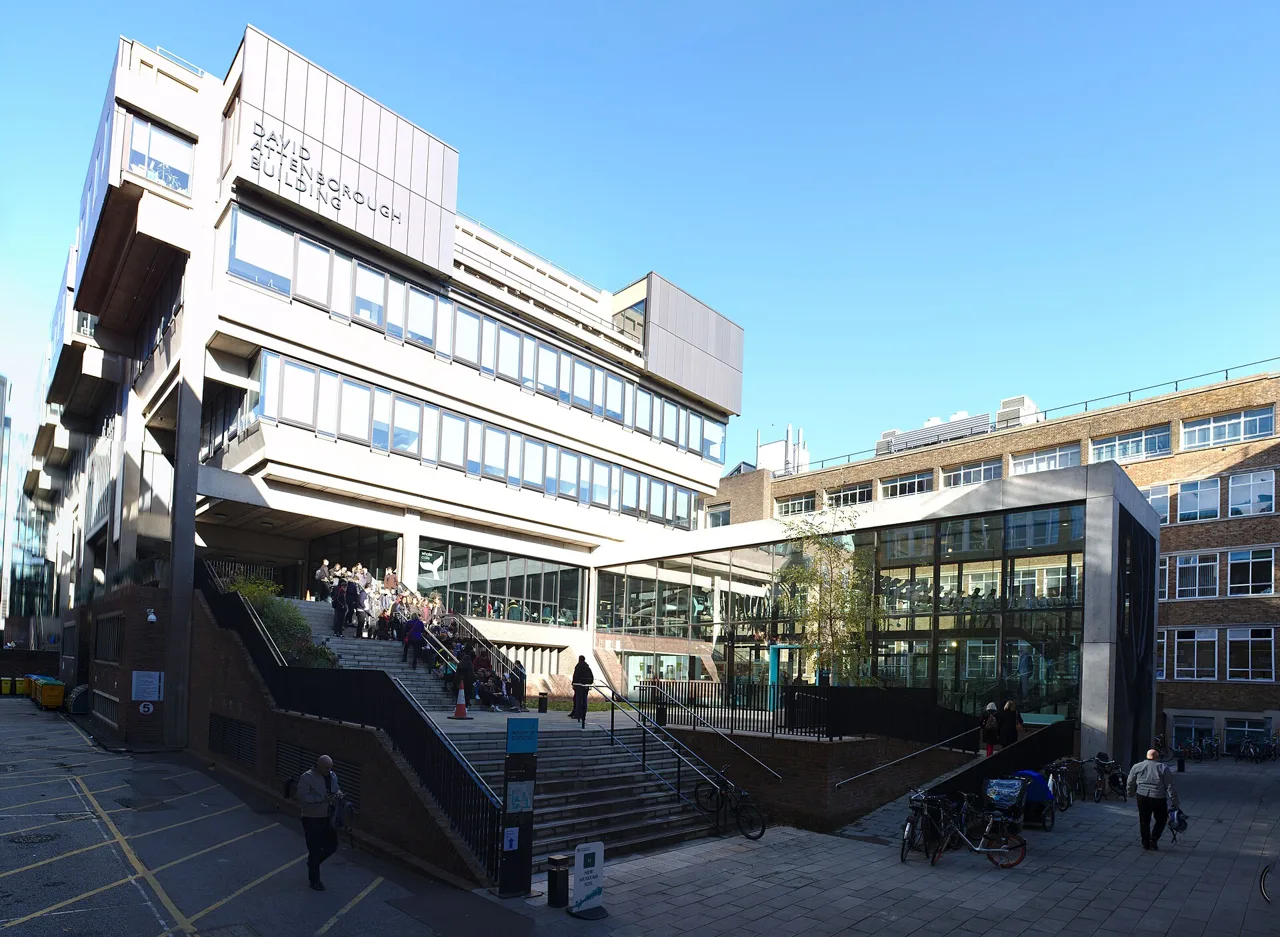
The Museum of Zoology’s glass Whale Hall beside the David Attenborough Building
Photo: Bob Harvey
i
Plan your visit

For a manageable museum morning, choose Zoology for 45–75 minutes, take a snack or lunch break outside the galleries, then decide whether the Polar Museum’s expedition stories will still hold attention. Allow roughly 15–20 minutes between the two via city pavements and crossings. A Tuesday-to-Saturday visit supports this pairing; do not assume both open on Sunday. These are editorial estimates and younger children may need longer between stops. The shorter version is simply Zoology and a break. For fresh air, give the Botanic Garden its own half-day and remember that its lawns are part of a research collection rather than a ball-game park. Before a punt, check seating, the number of passengers including babies, and boarding arrangements; buying a family ticket does not resolve an access need.

FIND YOUR KIND OF DAY

Worth making time for

5 ideas
Reset
The Museum of Zoology’s glass Whale Hall beside the David Attenborough Building
Photo: Bob Harvey
Science & discoveryFree entryIndoor

Museum of Zoology

Start beneath the suspended fin whale, then compare animals of very different sizes and shapes across the galleries. This is a compact way to make Cambridge’s scientific collections part of a day out. Animal enthusiasts can linger over the specimens; younger visitors may be happier choosing a few favourites and leaving while curiosity is still fresh.

1–1½ hoursSuggested visit timePlan a visit →
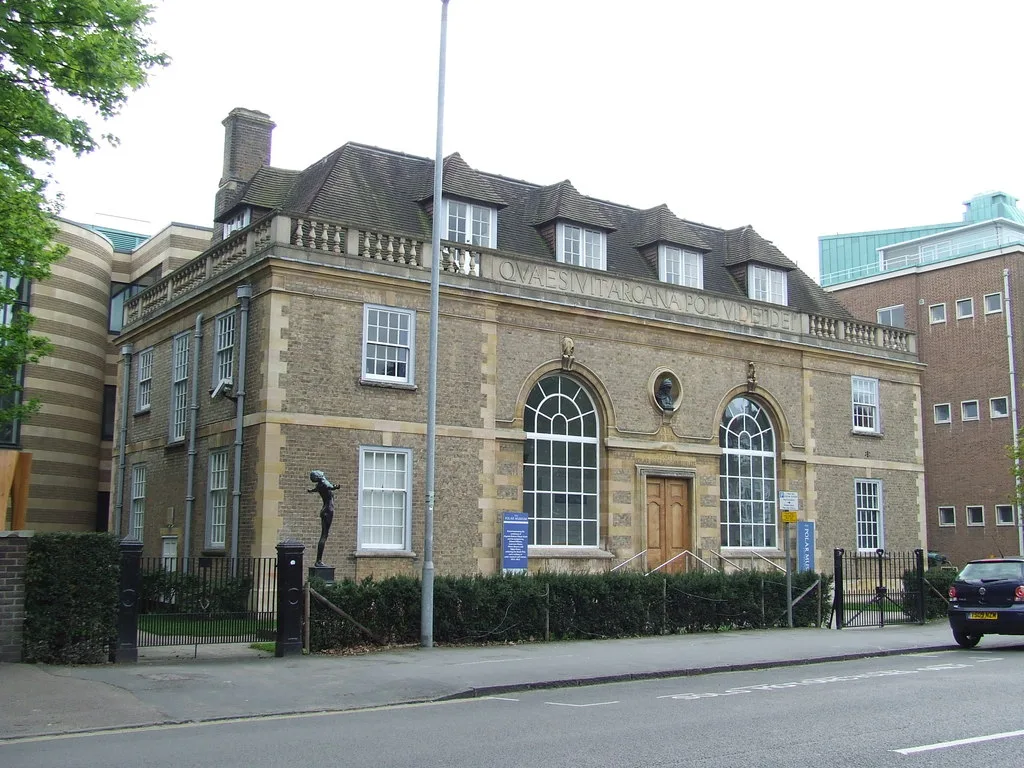
The brick frontage of the Scott Polar Research Institute on Lensfield Road
Photo: Keith Evans
Science & discoveryFree entryIndoor

The Polar Museum

The equipment, records and art associated with polar regions invite questions about survival, scientific work and the people behind expeditions. This is a smaller, focused museum where a few objects can hold your attention longer than expected. It fits especially well with the nearby Fitzwilliam or a journey to the station.

45–75 minutesSuggested visit timePlan a visit →
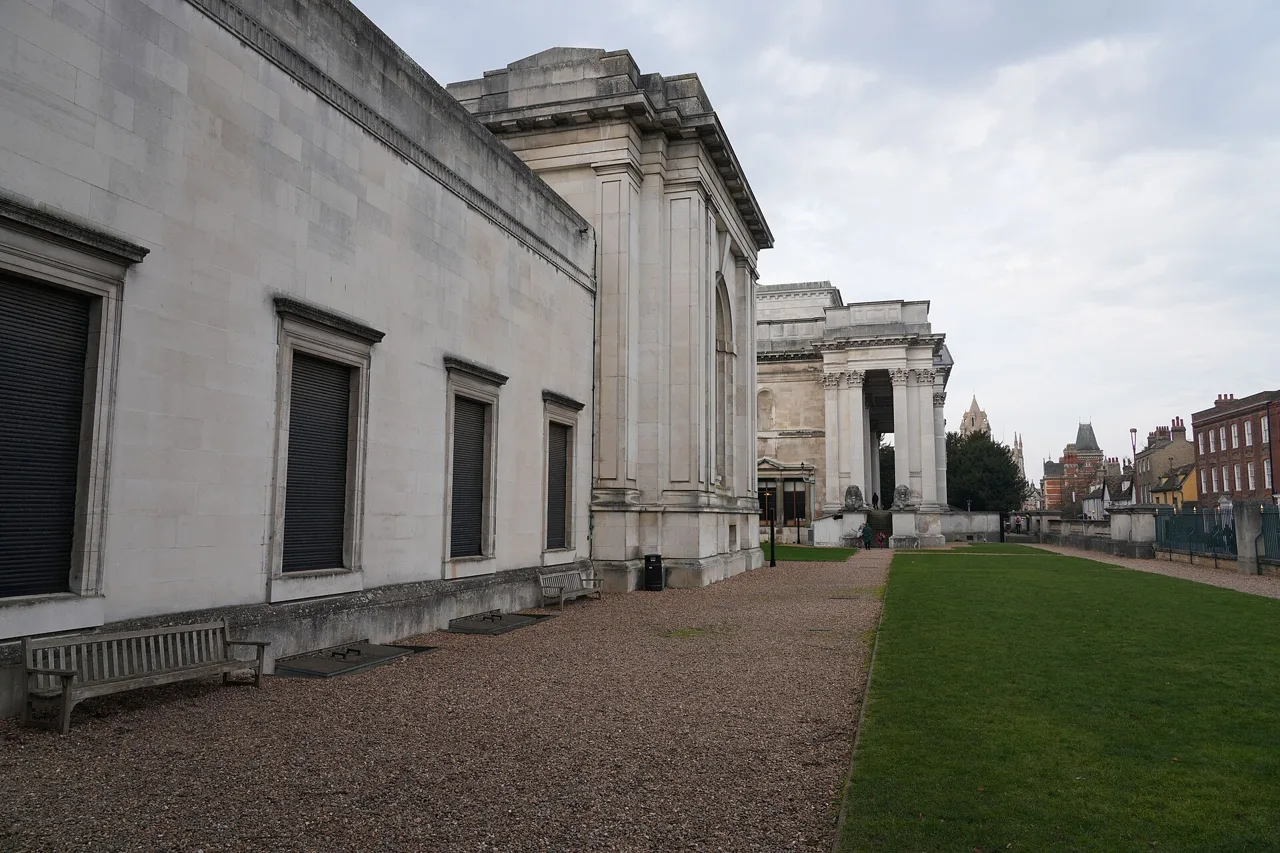
Stone exterior and columned portico of the Fitzwilliam Museum on Trumpington Street
Photo: Malcolm Neal
Art & cultureFree entryIndoor

Fitzwilliam Museum

Paintings, ceramics and ancient objects make the Fitzwilliam a rewarding place to follow a particular curiosity. Choose two or three galleries rather than trying to absorb the whole collection. It can be the main event for art lovers or a shorter, free-entry stop between Cambridge’s college streets and the southern museums.

1½–2½ hoursSuggested visit timePlan a visit →
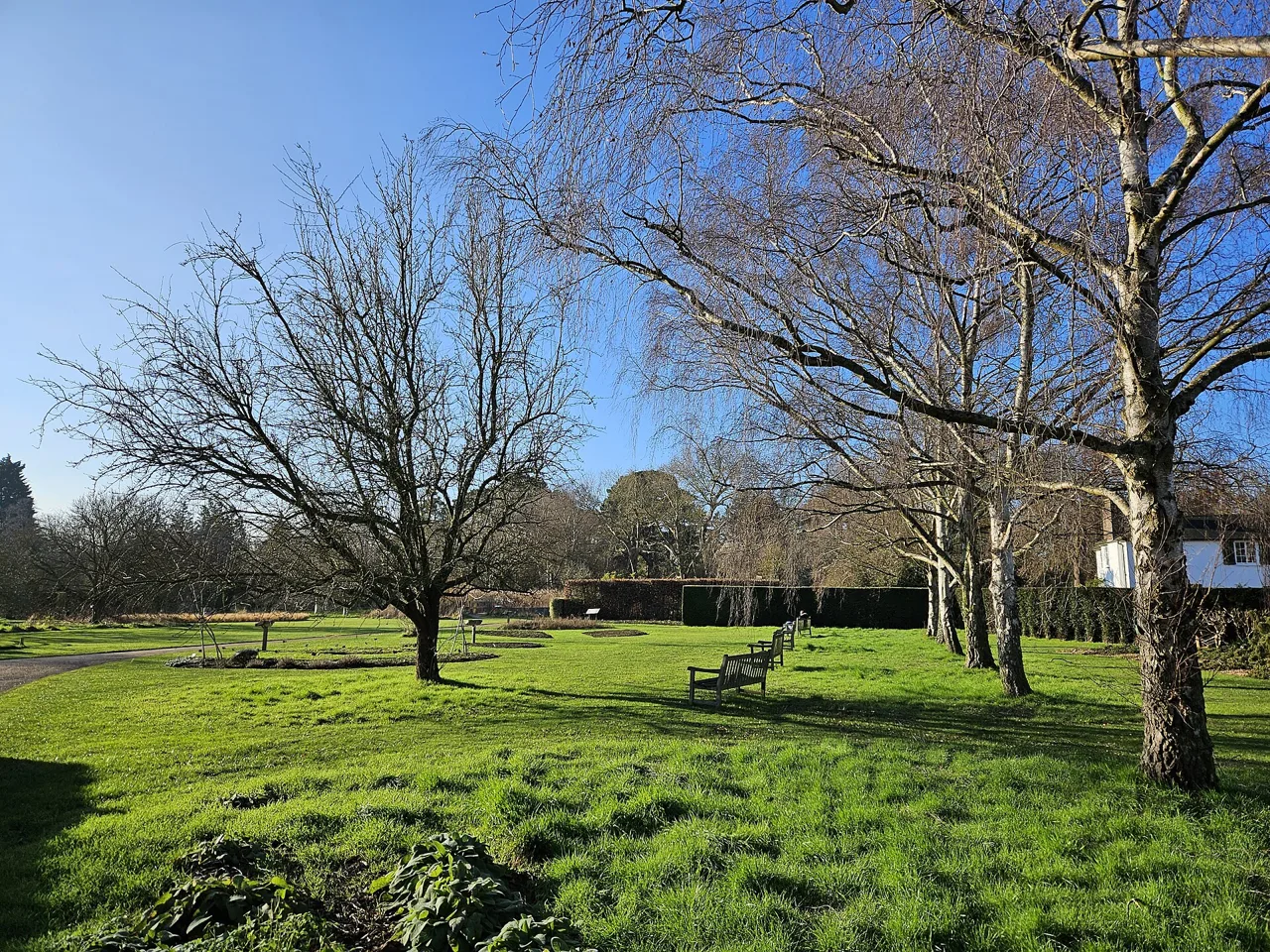
Winter trees, lawns and benches in Cambridge University Botanic Garden
Photo: GualdimG
Gardens & naturePaid entryMixed

Cambridge University Botanic Garden

Plant collections, mature trees and changing seasonal detail make this an absorbing green interval south of the historic centre. Follow a few garden sections at your own pace, with a bench stop instead of a race to every label. The glasshouses add interest, but the journey through the garden remains largely outdoors.

1½–3 hoursSuggested visit timePlan a visit →
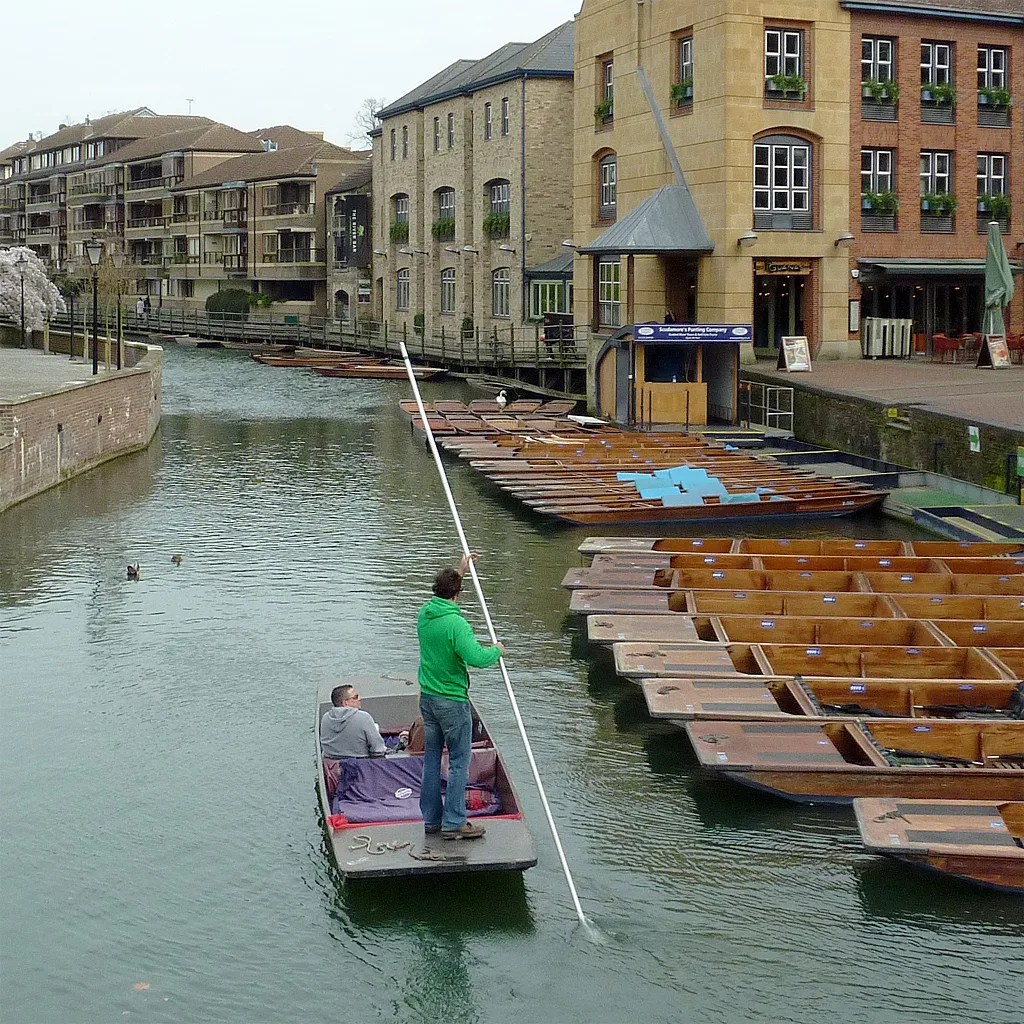
A punt passing moored boats at Scudamore’s Quayside station in Cambridge
Photo: Roger Kidd
On the waterPaid entryOutdoor

College Backs punting

A chauffeured punt gives a river-level view of college grounds and bridges while someone else manages the boat. Scudamore’s shared College Backs trip is a useful starting point for comparing options: you buy seats alongside other passengers, rather than a whole private boat. The experience is the river journey; college interior admission is separate.

45-minute tour; allow 1–1½ hours overallSuggested visit timePlan a visit →

PLAN YOUR DAY

Useful things to know

What suits children who like animals?

Start at Zoology and let each child choose a few specimens to compare. A short visit can be more satisfying than reading every label. The fin whale makes a clear first focus, but Whale Hall can be loud; consult the access page beforehand if sound is a concern.

Plan a Zoology visit →
Where can we go with a buggy?

The Fitzwilliam allows buggies and has a courtyard entrance with lift access. The Polar Museum welcomes attended buggies and has a ramped side entrance. Kettle’s Yard’s house is not suitable for them, so do not substitute it casually when another museum is closed.

Read Fitzwilliam family arrangements →
Which choice keeps the ticket bill down?

Zoology, the Polar Museum and the Fitzwilliam collections offer free entry. At the Botanic Garden, children aged 16 and under enter the ordinary garden free, but adults generally pay. Food, travel and optional events still need a budget; compare the total for your actual group before choosing a paid addition.

Build a day around free collections →
Is punting practical with young children?

It can be, if sitting in a boat for the advertised 45-minute trip suits your group. Include babies and toddlers in passenger numbers and ask the operator about buggy storage and boarding before booking. Keep the rest of the day loose so tired children are not facing another fixed appointment straight afterwards.

Check the shared punt arrangements →
Would Duxford fit after a museum morning?

Usually it deserves a separate family day. The airfield involves substantial distances as well as getting there, and hangars can fill several hours. Choose a few aircraft areas, allow a meal and rest, and plan for outdoor transfers and possible engine noise.

Plan Duxford as a separate outing →

HELP IMPROVE THIS GUIDE

Was this useful?

Tell us what helped, what is missing or what needs correcting. Your feedback goes to the editor.

Please include details when reporting a correction or suggesting an addition.Please leave out personal or sensitive information. How we use feedback