CHESTER GUIDE Independent ideas for your day out

A LITTLE PLANNING. A BETTER DAY.

Things to do in Chester with kids

Choose between a big animal day and a smaller city adventure before promising children both. Chester Zoo needs time and energy; the amphitheatre, museum and Grosvenor Park can make a shorter outing with room for questions, snacks and play. Storyhouse adds an indoor pause when attention or the weather changes.

History, gardens & city culturePractical ideas at your own pace
Browse activities ↓
An Asian elephant standing in its sandy habitat at Chester Zoo
Photo: Photograph by Mike Peel (www.mikepeel.net).
i
Plan your visit

For a central family half-day, try 30 minutes at the amphitheatre, 10–15 minutes to walk to the museum and 45–60 minutes in its Roman galleries. Stop for lunch for at least 45 minutes before deciding whether to head to Grosvenor Park, around 15–20 minutes away on foot. These are editorial estimates and slower walkers need extra time. A shorter version is the amphitheatre and park with a snack between them. On a zoo day, let each child choose an animal interest, then plan a manageable loop around those priorities and a proper lunch break. Price the whole family’s tickets and extras before booking. Check pushchair routes and equipment directly; a short distance on a map can still involve steps.

FIND YOUR KIND OF DAY

Worth making time for

5 ideas
Reset
An Asian elephant standing in its sandy habitat at Chester Zoo
Photo: Photograph by Mike Peel (www.mikepeel.net).
WildlifePaid entryMixed

Chester Zoo

Make the zoo the main event if animals are the reason for your Chester trip. The extensive grounds and different habitats reward a day with time to stop and observe, not a quick circuit between city bookings. Pick a few priorities from the map and accept that you may leave others for another visit.

4–6 hoursSuggested visit timePlan a visit →
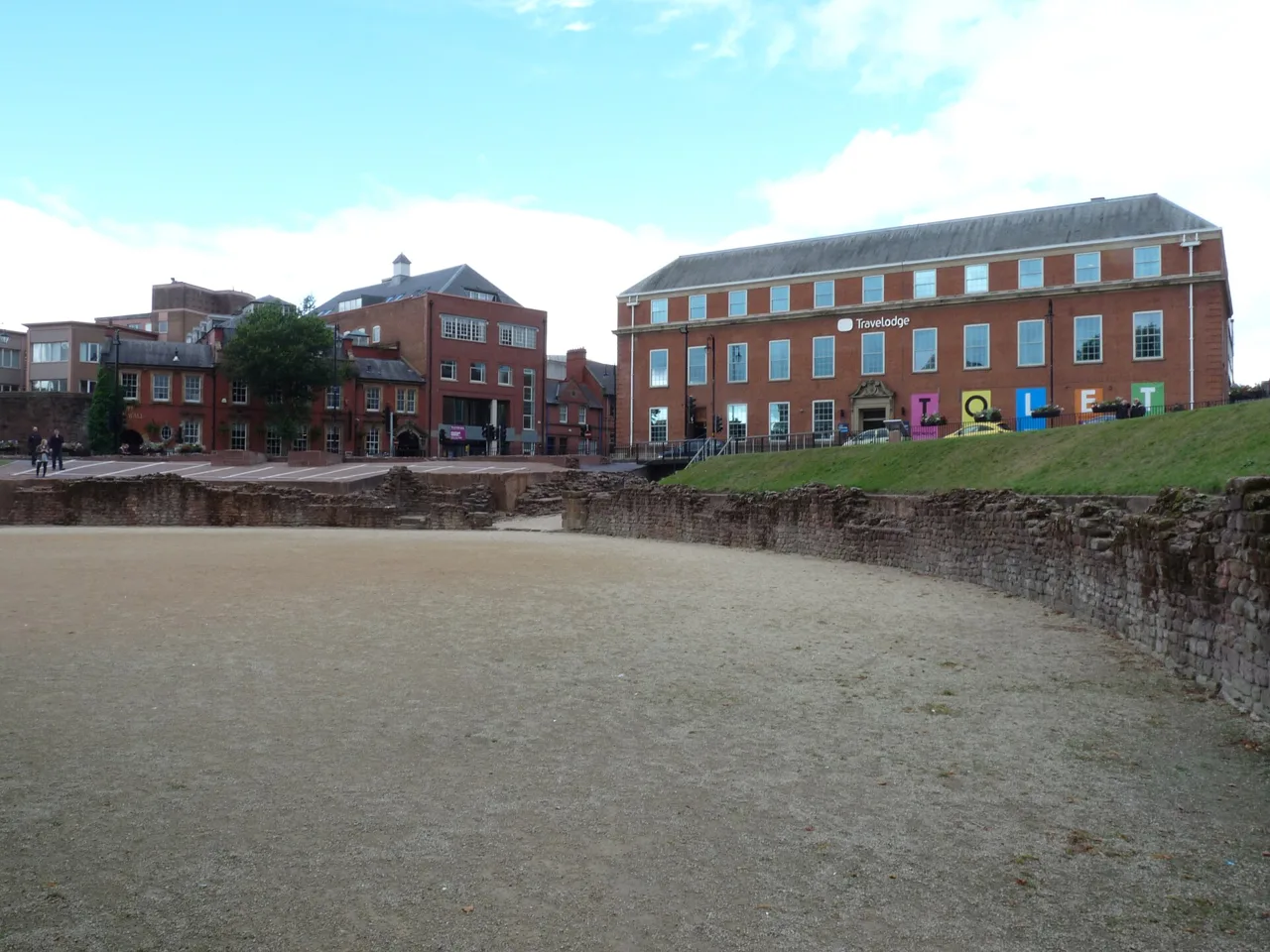
The excavated stone perimeter of Chester Roman Amphitheatre
Photo: Chris McKenna
HistoryFree entryOutdoor

Chester Roman Amphitheatre

See the exposed portion of the amphitheatre and picture the scale of Roman Chester beyond the modern streets. This is an archaeological site rather than an intact arena or a long indoor exhibition. It works particularly well before or after the Roman galleries at the Grosvenor Museum.

20–40 minutesSuggested visit timePlan a visit →
The brick and stone frontage of Grosvenor Museum on Grosvenor Street
Photo: Cameraman
MuseumFree entryIndoor

Grosvenor Museum

Start with the Roman galleries for a closer understanding of the people behind Chester’s ancient remains. The museum is a useful companion to the amphitheatre, turning a short outdoor look at ruins into a more rounded history outing. Choose a subject rather than trying to cover every gallery.

1–1½ hoursSuggested visit timePlan a visit →

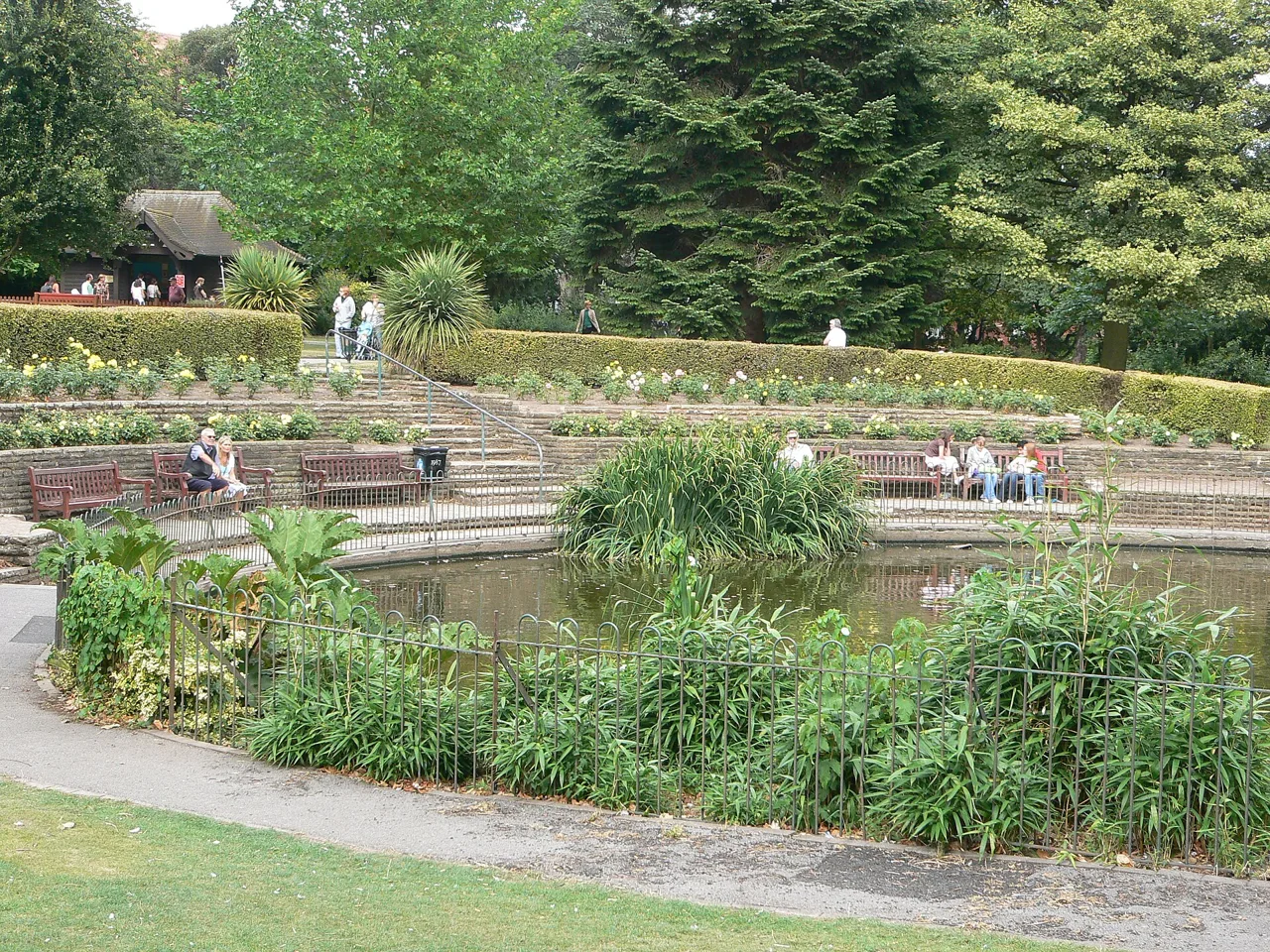
A planted pond with paths and seating in Grosvenor Park
Photo: Łukasz Nurczyński
GardensFree entryOutdoor

Grosvenor Park

This landscaped park provides a change of pace beside the eastern side of the historic centre. Walk among the trees and planted spaces, or use it as the breathing room between history stops. A bench and time outdoors can be a better finish than one more indoor attraction.

45–90 minutesSuggested visit timePlan a visit →
Storyhouse’s illuminated Art Deco frontage at dusk in Chester
Photo: Jeff Buck
Arts & cultureFree entryIndoor

Storyhouse

A library, cinema and theatre share this arts venue, giving you several ways to spend time indoors. Drop in to read and browse, or make a film or performance your booked focus. The library is a useful low-cost pause even when there is no show that suits your date.

45–90 minutes; longer for a showSuggested visit timePlan a visit →

PLAN YOUR DAY

Useful things to know

What works for children with a short attention span?

Keep one indoor subject or one archaeological stop, followed by time in the park. At the amphitheatre, explain the shape of the arena and ask what might have stood above the surviving walls. Twenty or thirty minutes can be enough. Leaving while children are still interested is more useful than completing a checklist.

Plan a short Roman stop →
How much time should we give the zoo?

Allow most of the day, with arrival, food, rest and the return journey in addition to the animals you want to see. Four to six hours on site is our planning estimate, not an operator minimum. A smaller selection works better than racing around every habitat, especially with a pushchair or tired children.

Check zoo planning details →
Is there a low-cost family option?

The museum, amphitheatre and general park visit have no entry charge. Set a separate allowance for food, parking or bus fares and optional rides. If spending needs to be predictable, agree in advance that the day is the history-and-play route rather than a shopping or paid-entertainment trip.

See free-entry choices →
Which indoor stop helps when everyone needs a break?

Storyhouse’s library offers a chance to browse and read together. Check the programme if you want a children’s session, since availability, age guidance and booking vary. A performance needs its own time commitment; an informal reading stop can be much shorter.

Use Storyhouse as an indoor pause →
Are the park and museum suitable with a pushchair?

The park has surfaced paths but also slopes, particularly at its southern end. The museum’s Roman galleries are on the accessible ground floor, while upper galleries have no lift. Decide which parts matter before visiting and ask staff about the route if you need help; neither stop requires seeing every area.

Read museum access information →

HELP IMPROVE THIS GUIDE

Was this useful?

Tell us what helped, what is missing or what needs correcting. Your feedback goes to the editor.

Please include details when reporting a correction or suggesting an addition.Please leave out personal or sensitive information. How we use feedback