STRATFORD-UPON-AVON GUIDE Independent ideas for your day out

A LITTLE PLANNING. A BETTER DAY.

Things to do in Stratford-upon-Avon with kids

A family visit does not need to be a test of Shakespeare knowledge. The Schoolroom offers a way to join in, while the Butterfly Farm swaps history for living insects and tropical plants. Balance one focused indoor stop with time to play at the Recreation Ground, and save the longer Shottery outing for a family that wants it.

Shakespeare, live theatre & the AvonChoose a day that suits your pace
Browse activities ↓
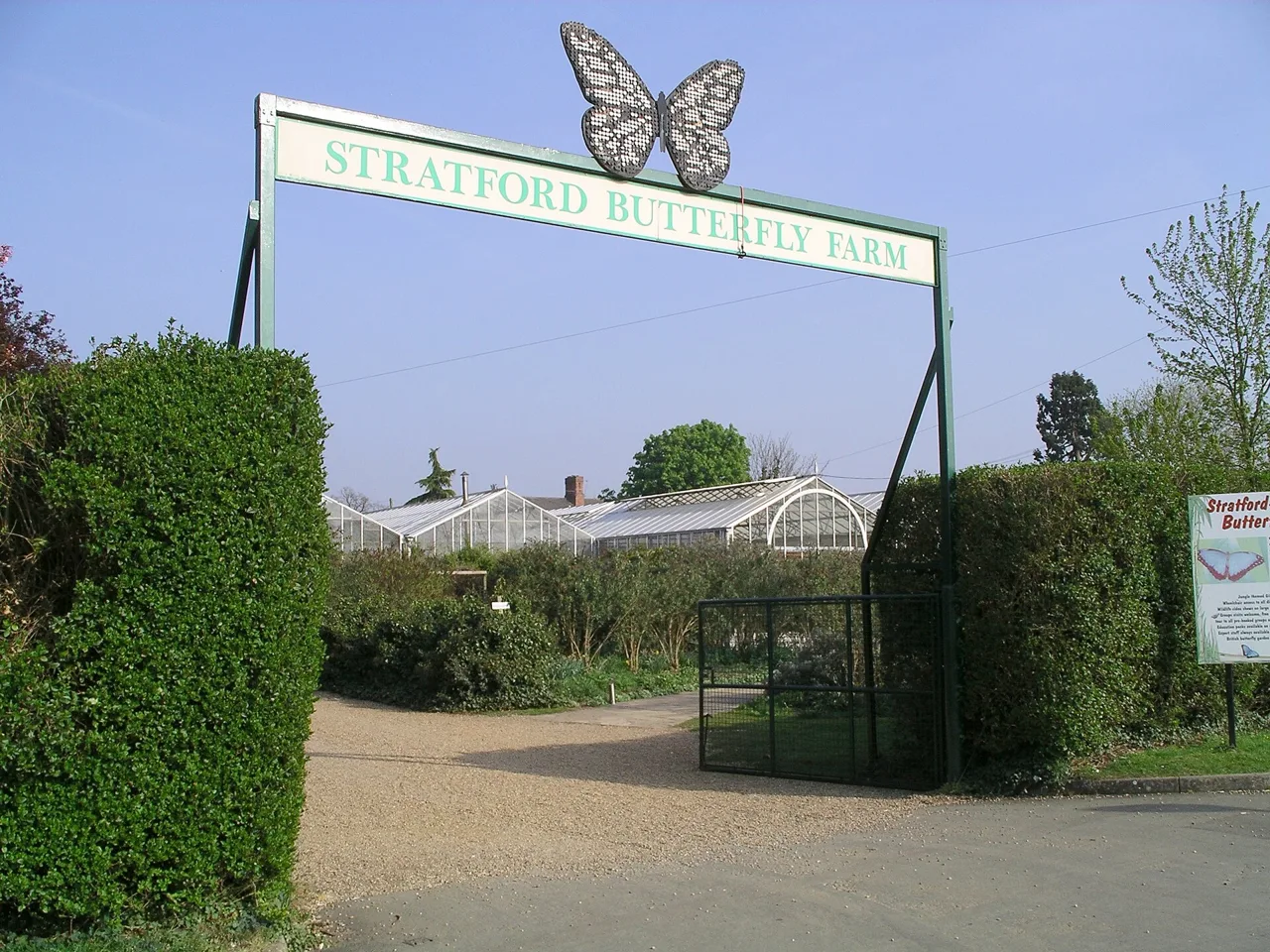
The entrance arch and glasshouses at Stratford Butterfly Farm
Photo: Snowmanradio
i
Plan your visit

For a simple family half-day, book 60–90 minutes at the Butterfly Farm, then allow 45–60 minutes for lunch or a picnic and another 30–60 minutes at the nearby Recreation Ground. These are editorial allowances, with the venue itself recommending around an hour to an hour and a half indoors. The shorter version keeps just the farm and a food break. In wet weather, finish after lunch instead of adding another admission. For children interested in Tudor life, build the day around the Schoolroom and its activities instead, checking its later public opening. Compare the actual family ticket combinations and plan pushchair access before paying. The cottage cannot take pushchairs inside, and the Birthplace has narrow rooms and an upper staircase.

FIND YOUR KIND OF DAY

Worth making time for

6 ideas
Reset
The entrance arch and glasshouses at Stratford Butterfly Farm
Photo: Snowmanradio
WildlifePaid entryIndoor

Stratford Butterfly Farm

The tropical flight area brings butterflies close to the paths, with further displays following their life cycle and introducing other invertebrates. It gives a Stratford day a complete change of subject from the Tudor buildings. Slow observation is more rewarding than expecting a particular animal to appear on cue.

1–1½ hoursSuggested visit timePlan a visit →
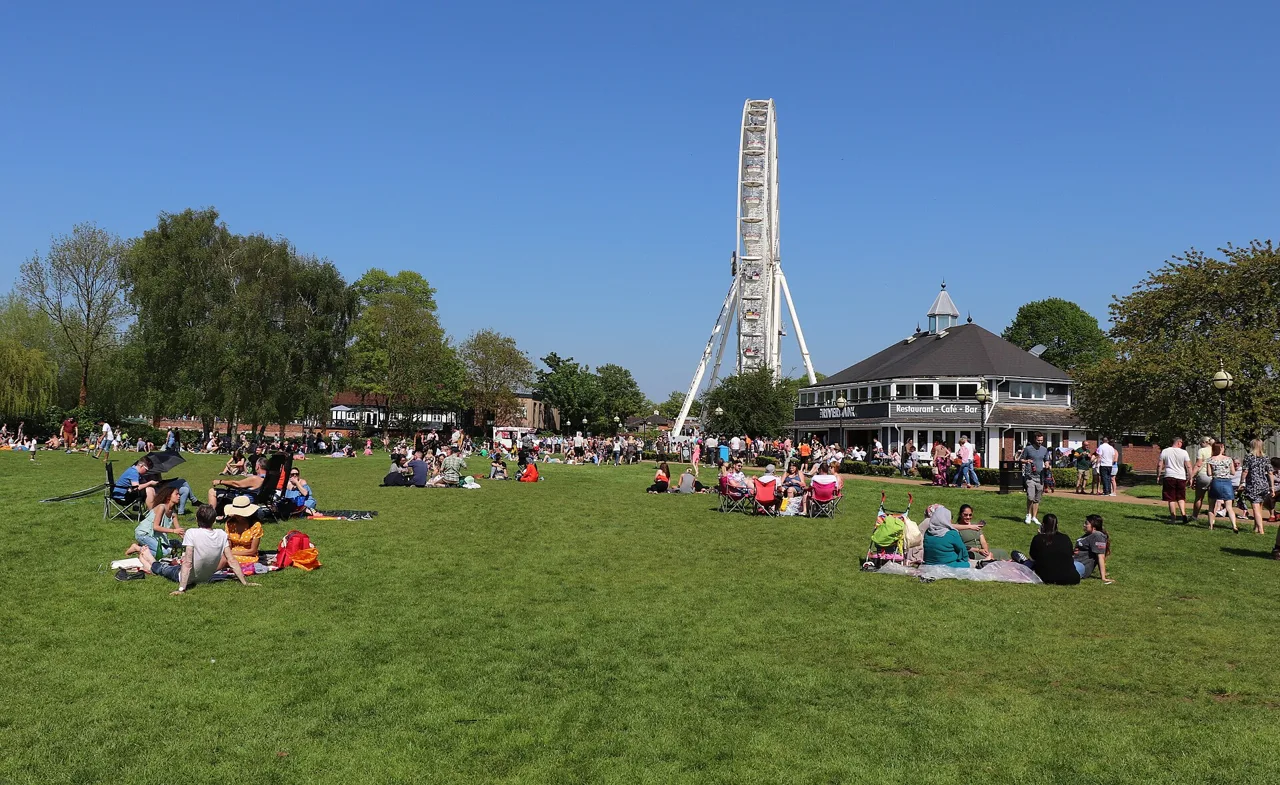
Visitors picnicking on the lawns of Stratford Recreation Ground
Photo: Vauxford
ParkFree entryOutdoor

Stratford Recreation Ground

Across the Avon from the theatre, the Recreation Ground gives a busy sightseeing day space to breathe. Use the lawns for a picnic, the play area for younger visitors or a short riverside stroll for a change of pace. A visit can be as simple as half an hour outside.

30–90 minutesSuggested visit timePlan a visit →
The timber-framed Shakespeare’s Schoolroom and Guildhall on Church Street
Photo: Jeff Gogarty
MuseumPaid entryIndoor

Shakespeare’s Schoolroom & Guildhall

The schoolroom turns Shakespeare’s education into an experience you can take part in, with Tudor lesson demonstrations, quill writing and guides explaining the building. The Guildhall also reveals the town’s civic life. Choose this if active learning appeals more than simply walking through another historic house.

1–1½ hoursSuggested visit timePlan a visit →

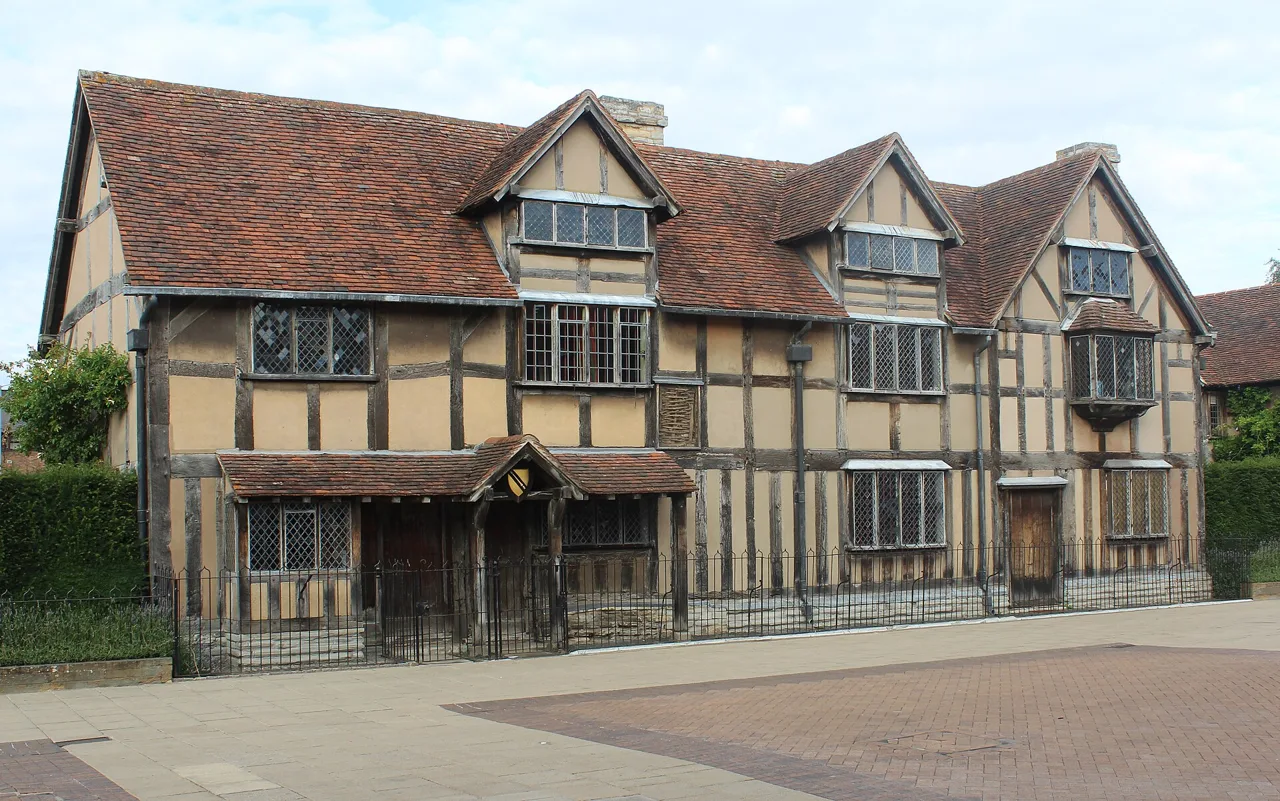
The timber-framed Shakespeare’s Birthplace on Henley Street
Photo: Martinvl
HeritagePaid entryMixed

Shakespeare’s Birthplace

Behind the familiar Henley Street facade, the family rooms and glovemaking story connect Shakespeare with the working household he grew up in. Make this your introduction to the man before following the literary trail elsewhere. The visitor exhibition adds context to a house that is more compact than its fame might suggest.

1–1½ hoursSuggested visit timePlan a visit →
The Royal Shakespeare Theatre and tower beside the River Avon
Photo: DeFacto
MuseumFree entryIndoor

The Play’s The Thing exhibition

Objects from the RSC collections reveal the people and decisions behind theatre-making. This free exhibition in the Swan Theatre gives you time to look at theatre history without committing to a performance or guided tour. Community perspectives shape the current displays, so expect a curated selection rather than a complete chronology.

45–60 minutesSuggested visit timePlan a visit →

PLAN YOUR DAY

Useful things to know

Which attraction works without knowing Shakespeare?

The Butterfly Farm is a straightforward choice for children interested in animals. The Schoolroom also makes sense without prior knowledge: the lesson and quill activities explain everyday learning through participation. Choose the child’s interest rather than trying to cover every famous building.

Explore the Schoolroom experience →
What should we know before taking a pushchair?

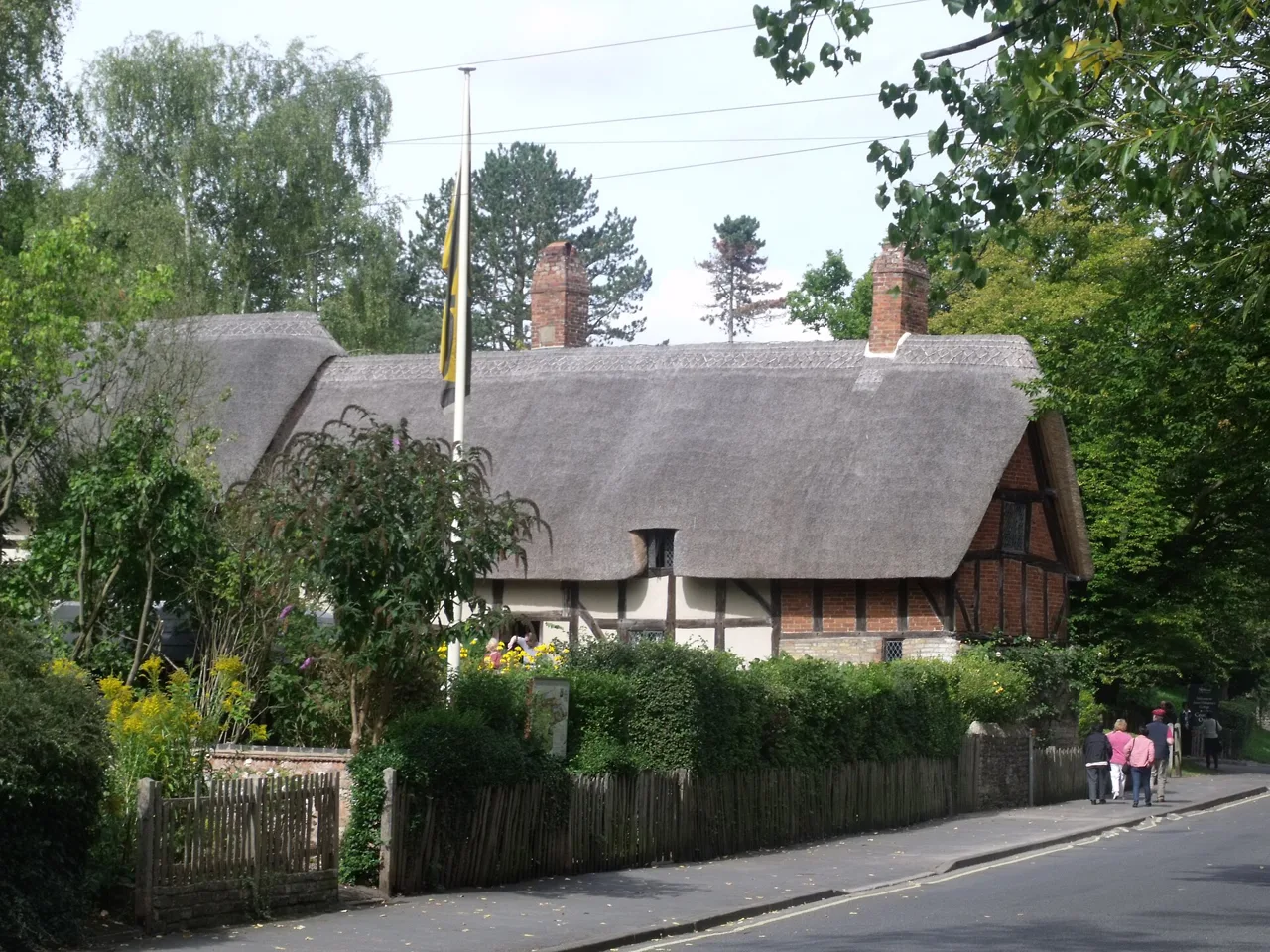
The Schoolroom has a lift that can assist parents with pushchairs, subject to staff guidance. Anne Hathaway’s Cottage does not permit them inside, and the Birthplace has narrow rooms and stairs. Check the actual route at your chosen attraction rather than assuming a family ticket means pushchair access throughout.

Read cottage family and access notes →
Is the Butterfly Farm comfortable for every child?

It is warm and humid, with butterflies flying freely and other animals in displays. Tell children what to expect and consider whether this will be exciting or overwhelming. Ask the operator about quieter visits if needed; a specific animal encounter or emergence cannot be promised.

Prepare for the tropical environment →
Is there somewhere to play without another admission?

The Recreation Ground has public lawns and a refurbished play area aimed at younger children, including sensory play provision. Paddling is seasonal and can stop for weather or maintenance, so promise a park break rather than a guaranteed swim. Paid rides or refreshments are separate.

Plan the play break →
Can children attend the RSC?

Choose by the individual production’s age advice and running time. A suitable matinee may be easier than a late finish, but it must be available on your date. Tours are separate products with their own suitability rules; workshop visits are not interchangeable with the standard theatre tour.

Read RSC booking advice →

HELP IMPROVE THIS GUIDE

Was this useful?

Tell us what helped, what is missing or what needs correcting. Your feedback goes to the editor.

Please include details when reporting a correction or suggesting an addition.Please leave out personal or sensitive information. How we use feedback