SWANSEA GUIDE Independent ideas for your day out

A LITTLE PLANNING. A BETTER DAY.

Things to do in Swansea

Swansea lets you move between working history, Welsh writing and an open sweep of coast without leaving the city behind. Start with the maritime quarter’s museums, or arrive by train and begin among the pictures at Glynn Vivian. Mumbles and its castle make a worthwhile separate outing, while Clyne Gardens sits between the two. The useful decision is how much of the bay you want to cover in one day.

Free city museumsMumbles needs travel time
Browse activities ↓
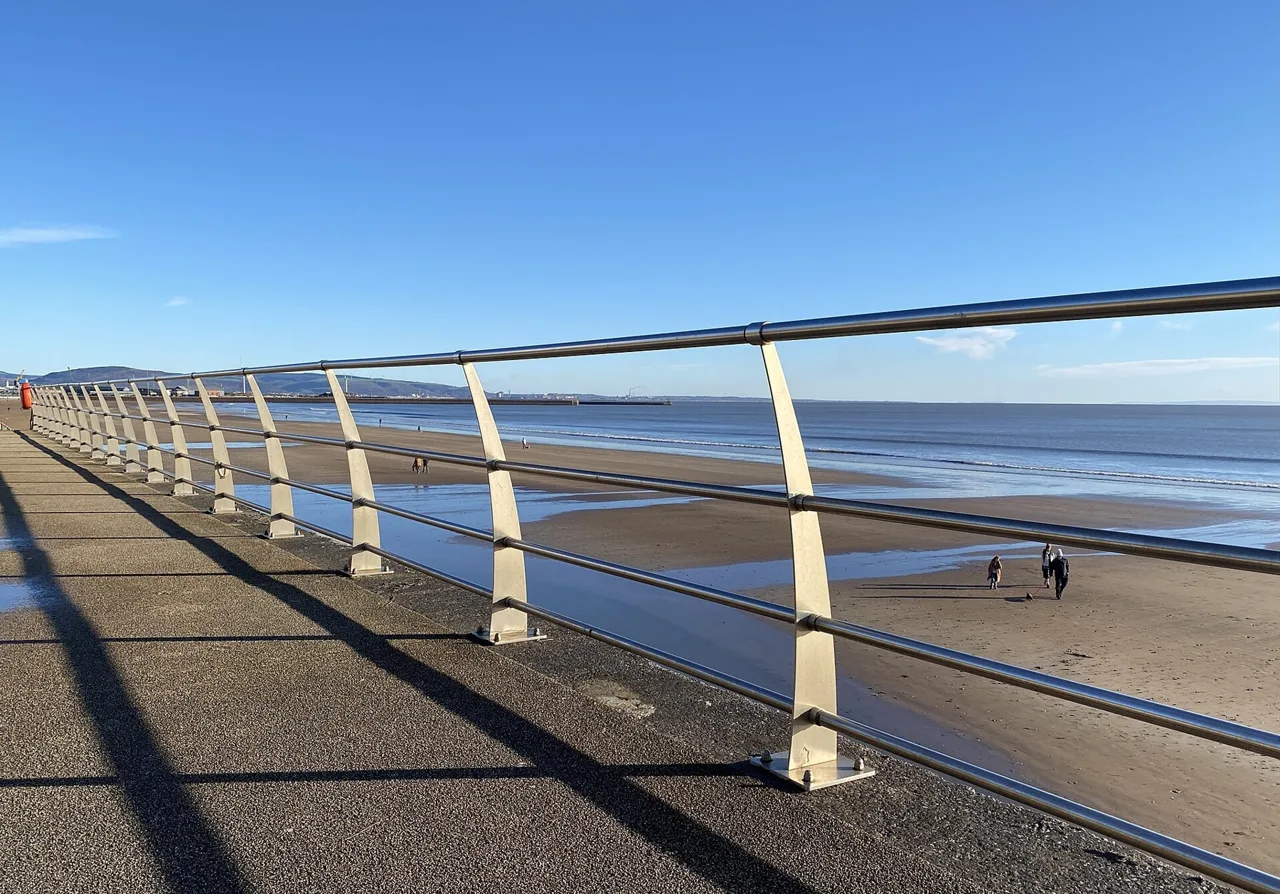
Promenade railings beside the beach and open water of Swansea Bay
Photo: Alan Hughes
i
Plan your visit

For a first day, allow 1½–2 hours at the National Waterfront Museum, then take a 45–60 minute lunch break around the maritime quarter. On a Wednesday–Sunday, add 45–75 minutes at the Dylan Thomas Centre, about 10–15 minutes away on foot; in good weather finish with a short promenade section. These are editorial estimates, with extra time for crossings, children or a slower pace. A shorter option is the museum and lunch alone. Swansea Museum and Glynn Vivian normally close on Mondays except bank holidays; the Thomas centre closes Mondays and Tuesdays. Do not build a Monday around all three. For Mumbles, choose the castle as the main outing and confirm its seasonal calendar before arranging transport. Walking the whole bay is a substantial journey, not a transfer to squeeze between museums. If booking an advertised tour, check the exact meeting point: the Swansea provider hub also lists trips with wider-area departures.

FIND YOUR KIND OF DAY

Worth making time for

7 ideas
Reset
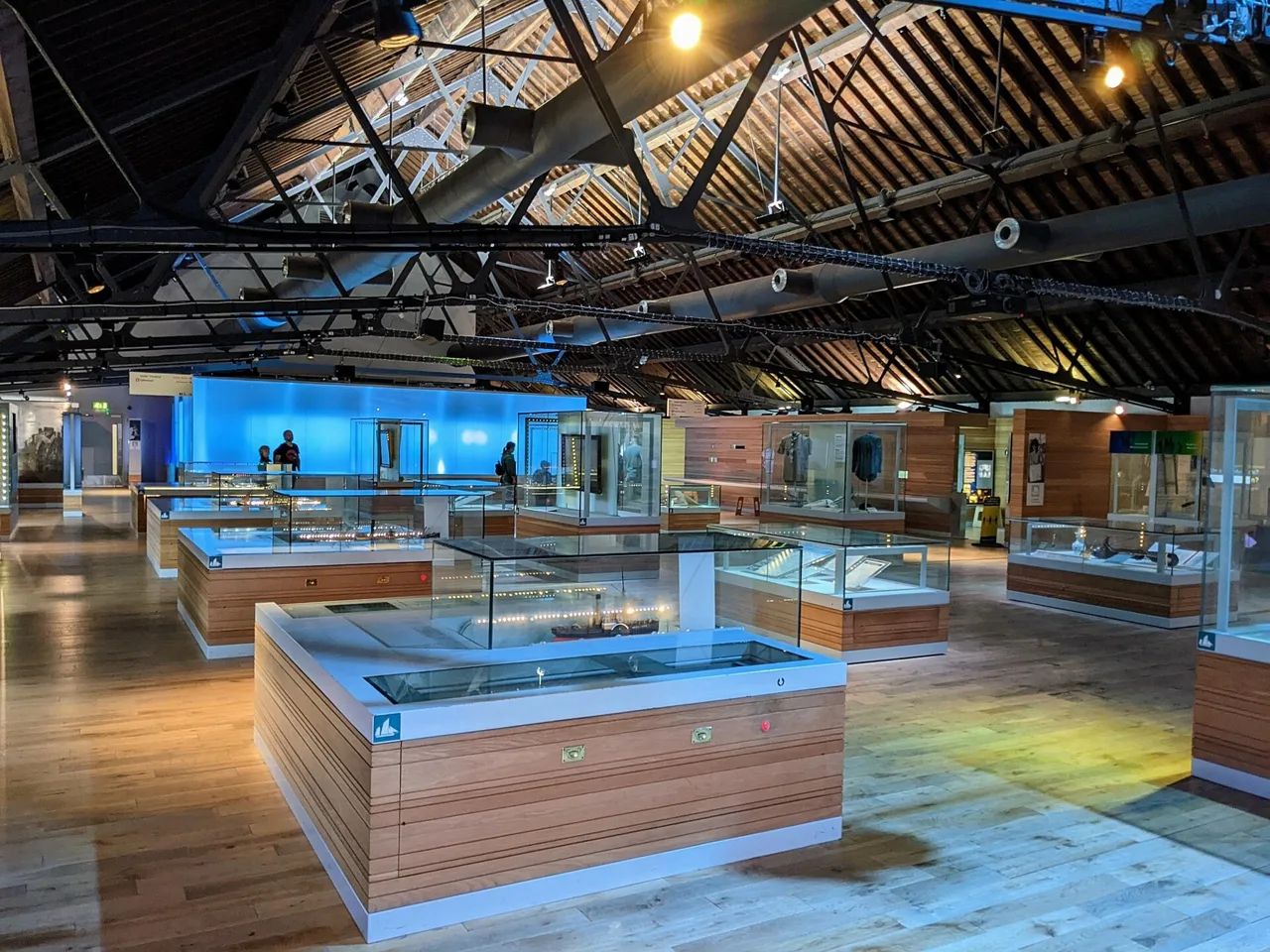
Display cases beneath the historic roof inside the National Waterfront Museum
Photo: The wub
Industry and peopleFree entryIndoor

National Waterfront Museum

Swansea’s maritime quarter is a fitting place to explore how industry changed Wales. The museum connects machines and working lives with the movement of goods, people and ideas, using objects alongside digital displays. Give yourself time to follow a subject that catches your attention: this is a stronger introduction to the waterfront than simply passing through its impressive building.

1½–2 hoursSuggested visit timePlan a visit →
Promenade railings beside the beach and open water of Swansea Bay
Photo: Alan Hughes
Coastal walksFree entryOutdoor

Swansea Bay promenade

The long curve of Swansea Bay is the city’s breathing space. Walk a chosen section of the promenade, watch the changing reach of the tide and look back towards the city or west towards Mumbles. This outing is about the public path above the beach: a short out-and-back from the central waterfront can be satisfying without committing to the full length of the bay.

30–90 minutes for a chosen sectionSuggested visit timePlan a visit →
Stone façade and columns of Swansea Museum
Photo: Vouliagmeni
Local historyFree entryIndoor

Swansea Museum

An older, smaller museum beside the maritime quarter gives Swansea’s own story room to unfold. Its galleries bring together everyday life, local objects and collections gathered over generations. Choose this when you would rather look closely at a handful of things than follow a large digital exhibition; it makes an interesting companion to the National Waterfront Museum without duplicating its industrial scale.

45–75 minutesSuggested visit timePlan a visit →
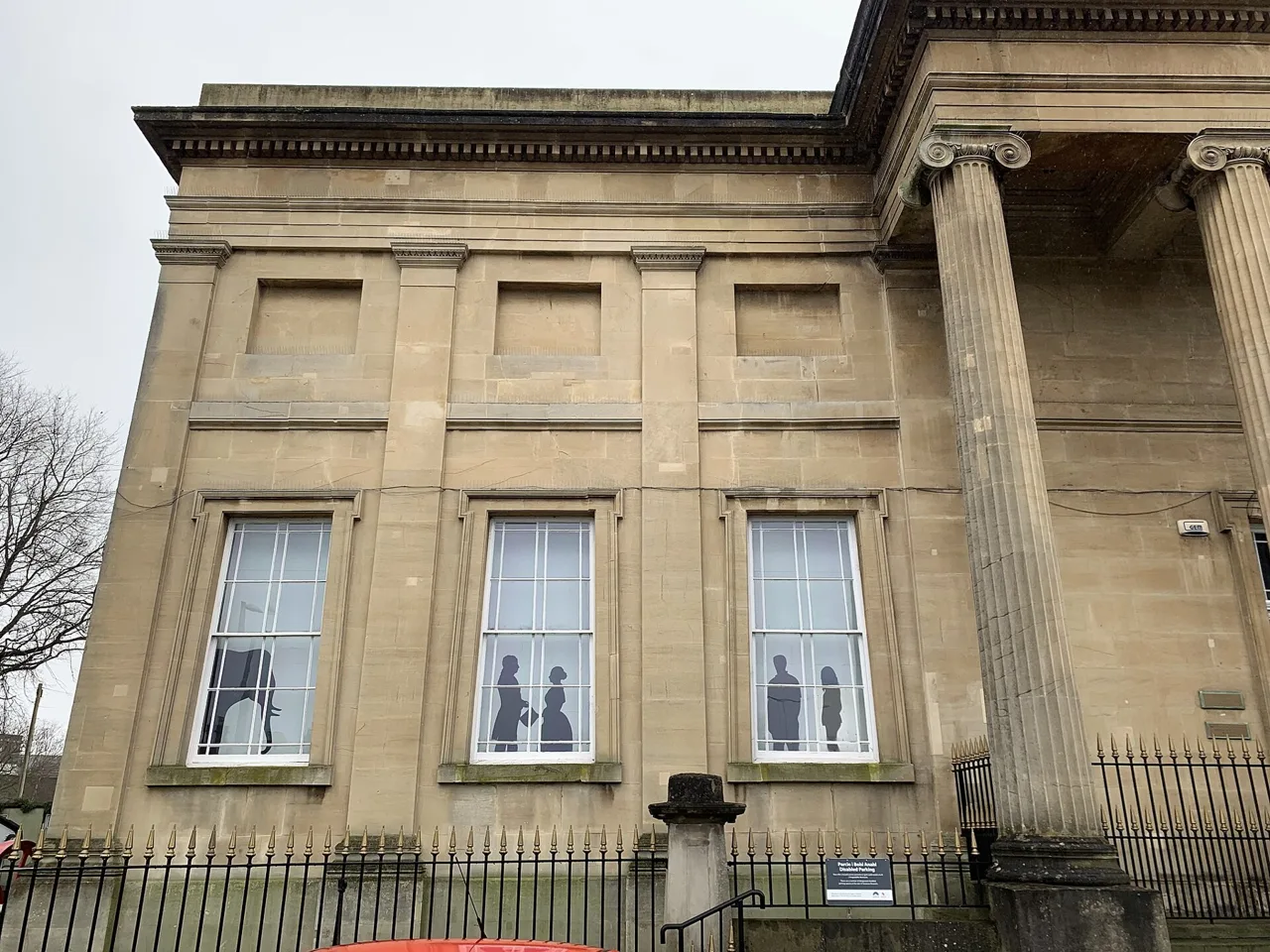
Classical stone façade of the Dylan Thomas Centre on Somerset Place
Photo: Ham
LiteratureFree entryIndoor

Dylan Thomas Centre

You do not need to arrive knowing Dylan Thomas’s poems. The Love the Words exhibition uses recordings, objects and an interactive timeline to introduce his writing and the world around it. Listening is part of the visit: give a voice or a passage time to settle before moving on. The centre is in the maritime quarter, separate from the poet’s birthplace in Uplands.

45–75 minutesSuggested visit timePlan a visit →
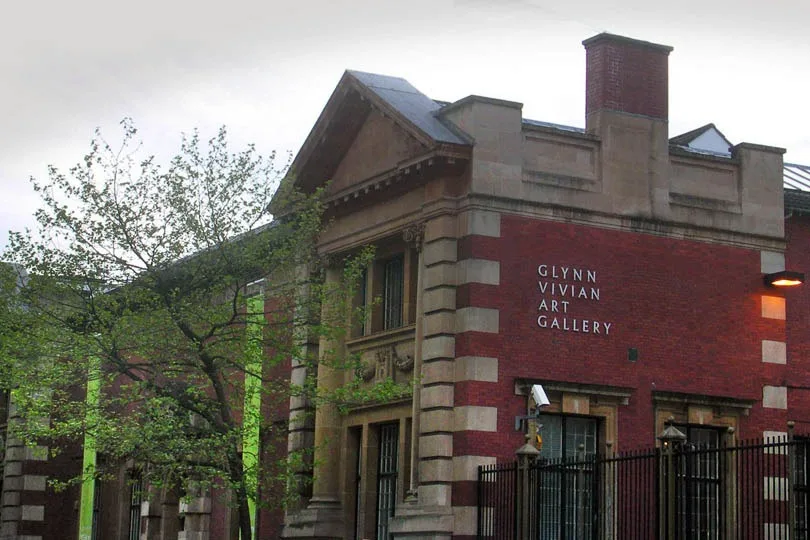
Red-brick and stone corner of Glynn Vivian Art Gallery with its name on the wall
Photo: Sionk
ArtFree entryIndoor

Glynn Vivian Art Gallery

Near the railway station, Swansea’s city gallery combines its founding collection with Welsh and contemporary art. Let the changing displays decide your route: choose one room carefully, compare a couple of works and return to a detail you initially missed. It is an easy place to give a short city visit a thoughtful beginning, or to spend longer when an exhibition catches your interest.

1–1½ hoursSuggested visit timePlan a visit →

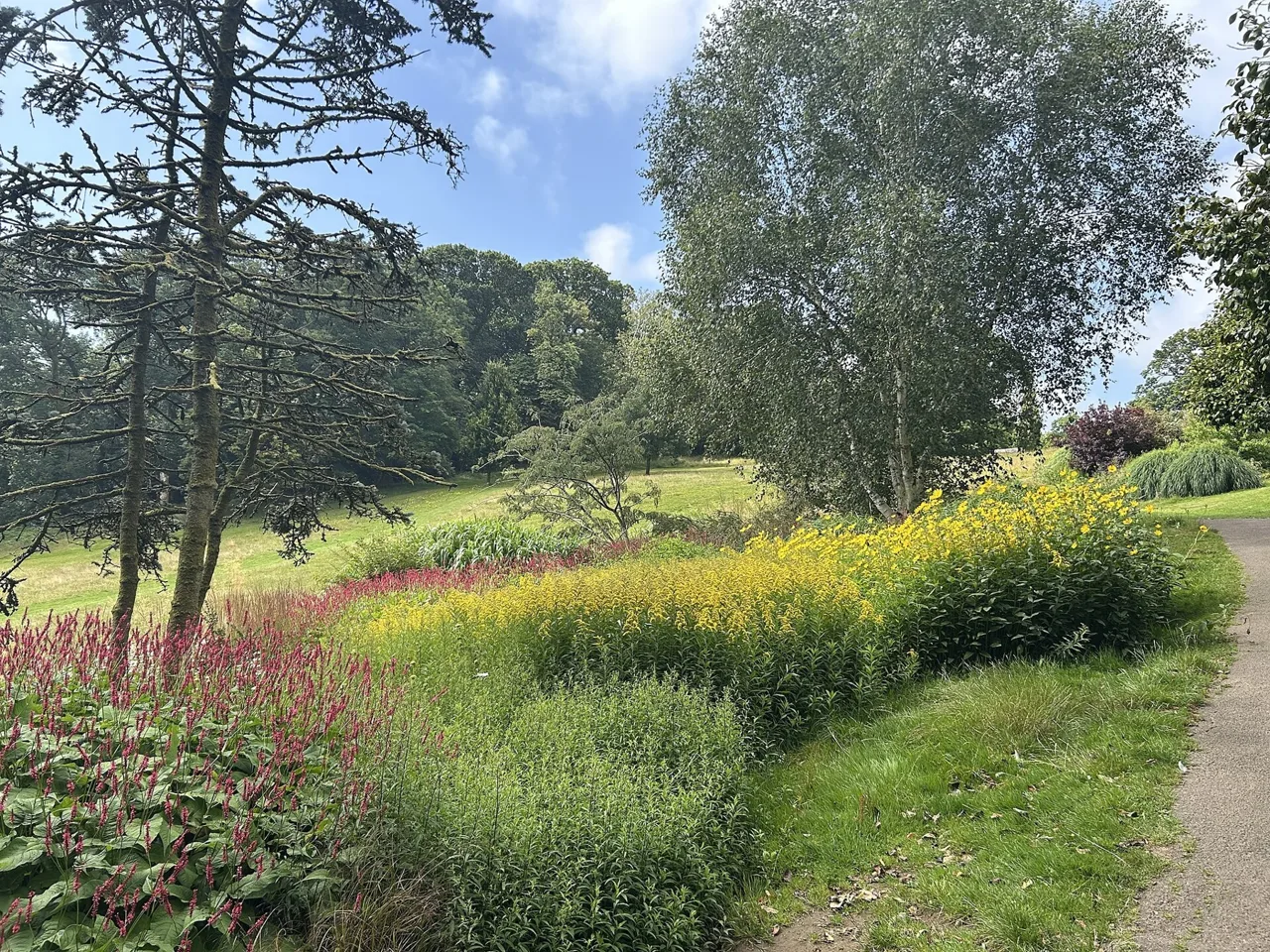
Flowering beds and mature trees on a slope in Clyne Gardens
Photo: Peter Glyn
GardensFree entryOutdoor

Clyne Gardens

At Blackpill, Clyne’s planted valley offers a different view of Swansea from the open seafront. Follow a garden path among mature trees and shrubs, looking for bridges and landscaped details rather than trying to see every corner. Rhododendrons and azaleas make spring a particular draw, while the structure of the garden rewards a slower wander outside the flowering season too.

1–1½ hoursSuggested visit timePlan a visit →
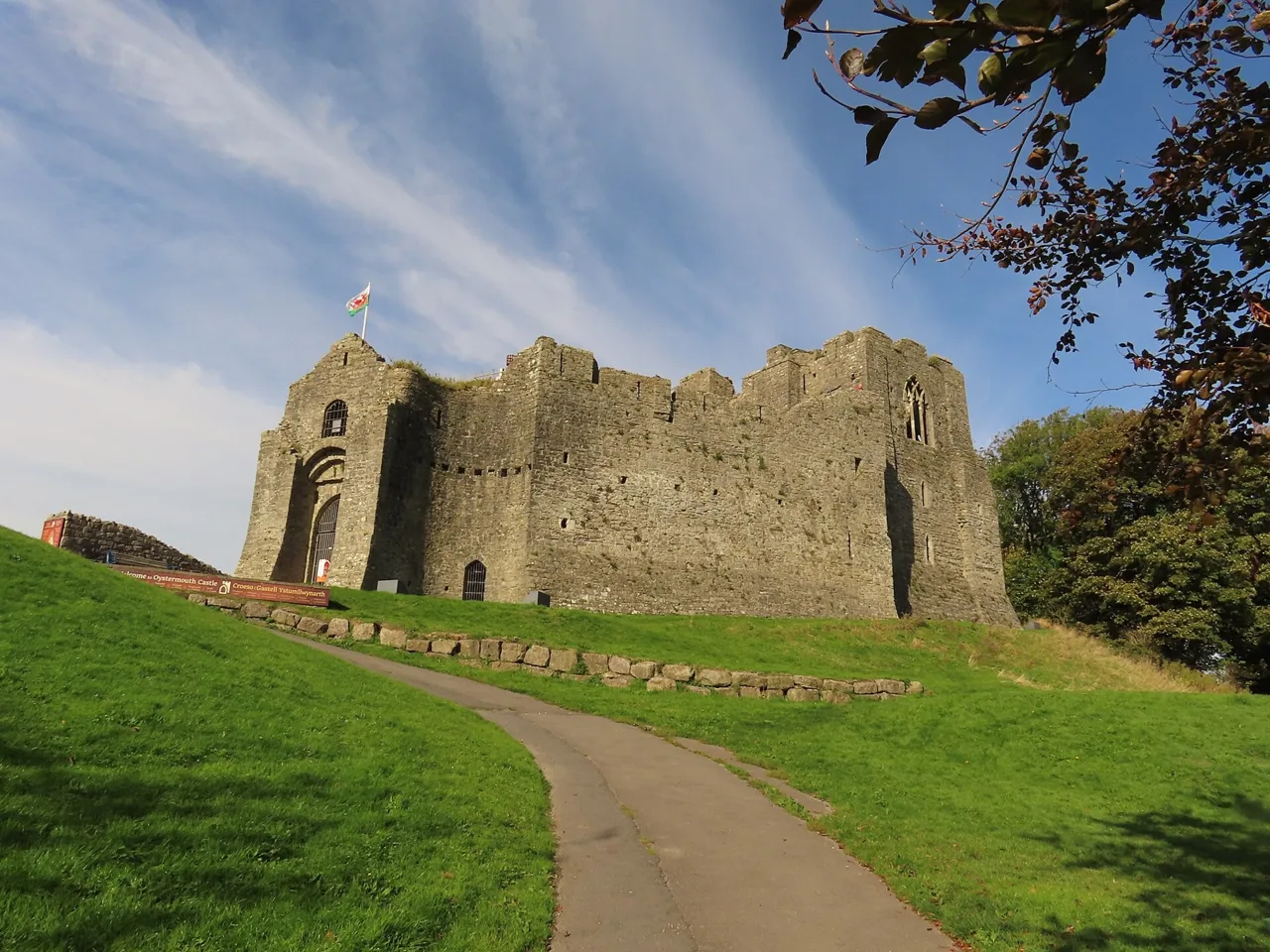
Oystermouth Castle walls above a lawn and approach path in Mumbles
Photo: Colin Park
CastlesPaid entryOutdoor

Oystermouth Castle

Above Mumbles, Oystermouth Castle gives a bay-side outing a very different scale. Explore the surviving rooms, walls and stairways of this medieval stronghold, then look out towards the village and water below. The ruins reward attention to how people moved and lived inside them, but the visit is mostly outdoors and includes heights and confined historic passages.

1–1½ hoursSuggested visit timePlan a visit →
MAKE A DAY OF IT

One main stop.
A little wandering.
Your kind of Swansea.

Flexible plans with room for food and a rest. Walking allowances are editorial estimates, not live directions or verified step-free routes.

01 / A DAY AT YOUR PACE

A maritime-quarter first day

Combine Welsh working history with Swansea’s literary voice on a Wednesday–Sunday, keeping the seafront as a weather-dependent finish.

  1. National Waterfront Museum

    Allow 1½–2 hours for a selective visit. Ask about sensory resources if useful, then take 45–60 minutes for lunch around the maritime quarter; the museum has no indoor picnic area.

  2. Dylan Thomas Centre

    Allow an estimated 10–15 minutes on foot, including crossings, then 45–75 minutes for the exhibition. Confirm the current opening day and any Learning Space availability.

  3. Swansea Bay promenade

    Allow roughly 10–20 minutes to reach a chosen central seafront entry point, then walk for 30–45 minutes with an early turnaround. These are editorial estimates, not verified step-free routes; omit this stop in poor conditions.

A shorter visit

Visit the Waterfront Museum and have lunch nearby; omit the second museum and walk if you have only a few hours.

02 / A DAY AT YOUR PACE

Pictures and Swansea stories

A compact cultural day beginning near the station, normally Tuesday–Sunday. It works without a journey along the whole bay.

  1. Glynn Vivian Art Gallery

    Spend 1–1½ hours with a few rooms and the current exhibitions. The café is closed, so plan food elsewhere. Check the display calendar if a particular work is your reason for visiting.

  2. Swansea Museum

    Allow 20–30 minutes to walk through the centre towards Victoria Road, plus a 45–60 minute lunch break on the way. Spend 45–75 minutes at the museum. Confirm lift operation if needed; walking times are editorial estimates and the arrival route needs its own access check.

A shorter visit

Stay with Glynn Vivian and a meal near the city centre; do not rush a second museum before a train.

03 / A DAY AT YOUR PACE

Mumbles castle and a garden pause

An outdoor-led day with a separate journey from central Swansea. Confirm the castle’s seasonal admission before fixing the plan, and use transport between areas rather than walking the entire bay.

  1. Oystermouth Castle

    Allow an indicative 30–45 minutes from central Swansea by road-based transport, with extra time for bus waits, traffic and the uphill approach. Check a live journey plan. Spend 1–1½ hours at the castle, then take 45–60 minutes for lunch in the village.

  2. Clyne Gardens

    On the return towards Swansea, allow roughly 15–25 minutes by road-based transport to Blackpill, excluding waiting and parking. Spend about an hour on a garden route suited to your group; even the main surfaced path climbs. Confirm your onward journey and shorten the outing if weather or fatigue changes. All journey allowances are editorial estimates.

A shorter visit

Make Oystermouth Castle and lunch in Mumbles the whole outing, then return directly to Swansea.

PLAN YOUR DAY

Questions about things to do in Swansea

What makes a good first half-day?

The National Waterfront Museum and a meal in the maritime quarter give you a coherent introduction. Add a short promenade only if time and weather allow; you can leave the other museums for another visit.

Plan the waterfront museum visit →
Can we walk to Mumbles between attractions?

The full promenade route is roughly five miles one way. Treat it as a main walk, or use current public transport or a taxi for a castle outing. Leave time for the hill above the village and the return.

Plan a separate Mumbles outing →
Which places work in the rain?

Four indoor cultural venues support a city day, but their closure days differ. The National Waterfront Museum normally opens daily; check the other three before committing to a route.

Choose indoor stops by opening day →
Can we keep admission costs low?

The four indoor venues, public promenade and Clyne Gardens have free general entry. Oystermouth Castle is paid; food, journeys and special activities remain separate costs.

Build a free-entry Swansea day →
Is this a guide to the whole of Gower?

No. The collection focuses on Swansea and a manageable Mumbles outing. Farther Gower beaches and headlands need separate journey, access and tide planning; they are not quick additions to a city museum day.

Consider gardens nearer the city →

HELP IMPROVE THIS GUIDE

Was this useful?

Tell us what helped, what is missing or what needs correcting. Your feedback goes to the editor.

Please include details when reporting a correction or suggesting an addition.Please leave out personal or sensitive information. How we use feedback