WINCHESTER GUIDE Independent ideas for your day out

A LITTLE PLANNING. A BETTER DAY.

Things to do in Winchester for couples

Winchester suits a day with one absorbing visit, a good lunch and time to walk without checking the clock at every corner. The cathedral quarter offers the easiest version; the meadows and St Cross make a quieter, longer alternative in settled weather. Choose the pace you both want before choosing the tickets.

One shared interestA meal and a strollCity or meadows
Browse activities ↓
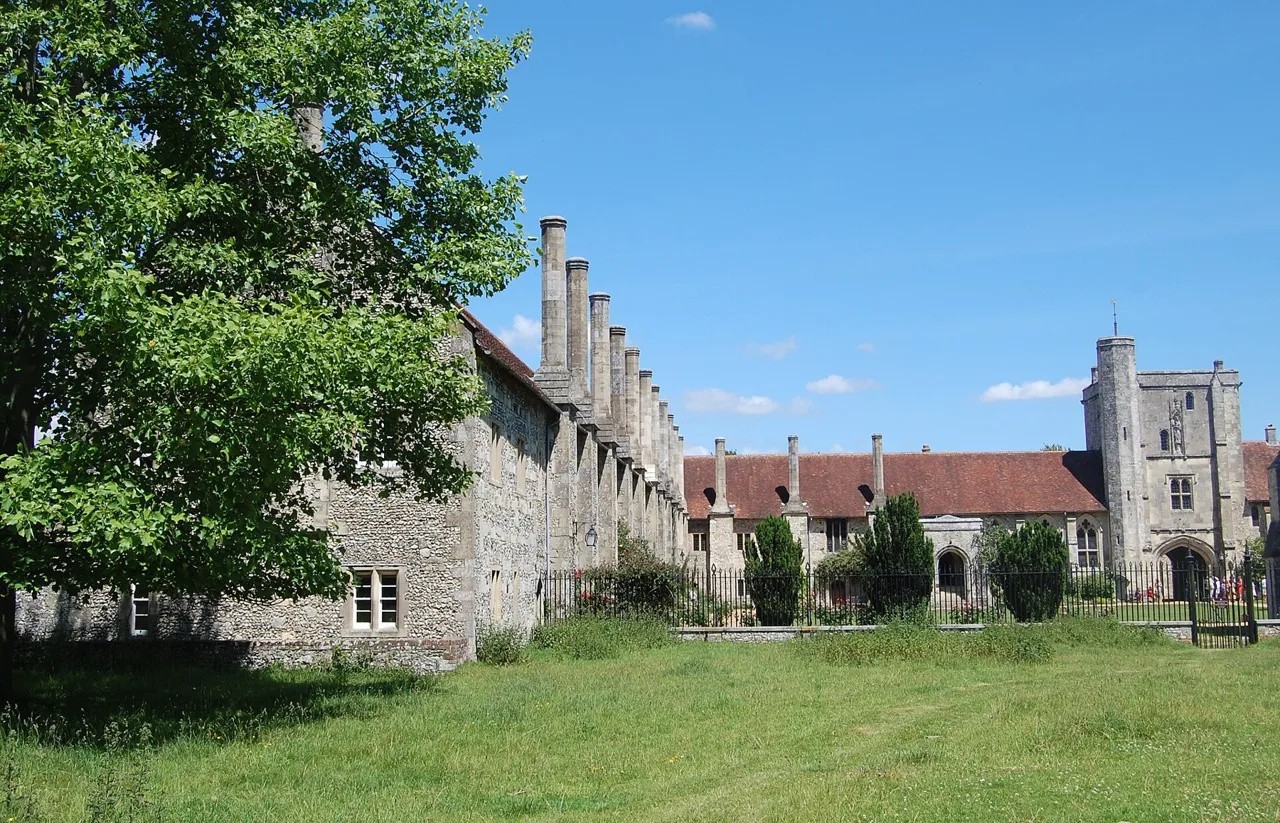
The lawn and historic buildings in the quadrangle of the Hospital of St Cross
Photo: Hassocks5489
i
Plan your visit

For a first visit together, give the cathedral the morning or early afternoon when ordinary sightseeing is available. Follow an interest rather than every label: the architecture, Jane Austen’s memorials or the manuscripts in Kings & Scribes can each shape the visit. Leave a generous meal break around The Square or the streets near Kingsgate, reserving a table directly with your chosen venue if the meal is the main occasion. A reservation close to the cathedral avoids hurrying uphill between appointments. Afterwards, a short circuit through the Close and College Street gives the day room to breathe. Wolvesey offers a half-hour outdoor contrast if open and the ground is suitable. If you both want more walking, use the official Keats Trail towards St Cross and allow roughly half a day for the route, a visit and refreshments. Decide on the return before setting out: retrace the meadows in dry weather, or use the leaflet’s paved street alternative. A taxi arranged from St Cross is another option if one person has had enough; do not wait until closing time to think about it. St Cross is particularly suited to visitors who enjoy gardens and historic buildings at a slower pace, but its winter Sunday sightseeing closure and shorter seasonal hours can undo a late-start plan. Confirm the Porter’s Lodge arrangements and tea-room opening rather than relying on refreshments being available when you arrive. Its paths include cobbles and uneven sections; ask about the chapel ramp and hall lift if needed. The long walk is optional, and reaching St Cross directly can preserve energy for the visit itself. If rain arrives, change the structure of the day: City Museum and lunch pair easily, while the Great Hall offers a different indoor centrepiece. The cathedral has ordinary sightseeing closures on 14–19 September 2026 and selected later dates, so a special occasion deserves an advance check. For a short date, choose one interior and one meal, with an exterior stroll only if you feel like it. For an evening ending, consult the cathedral’s current service listing if attending worship interests you; do not assume a particular choral programme or use a service as a sightseeing slot. Compare the cost of two adult admissions and lunch before adding a second paid stop. For a lower-cost date in dry weather, keep the cathedral quarter’s public streets and free Wolvesey ruins, with a planned café or picnic budget. That shorter version still needs suitable ground conditions, but does not depend on buying an interior ticket.

FIND YOUR KIND OF DAY

Worth making time for

6 ideas
Reset
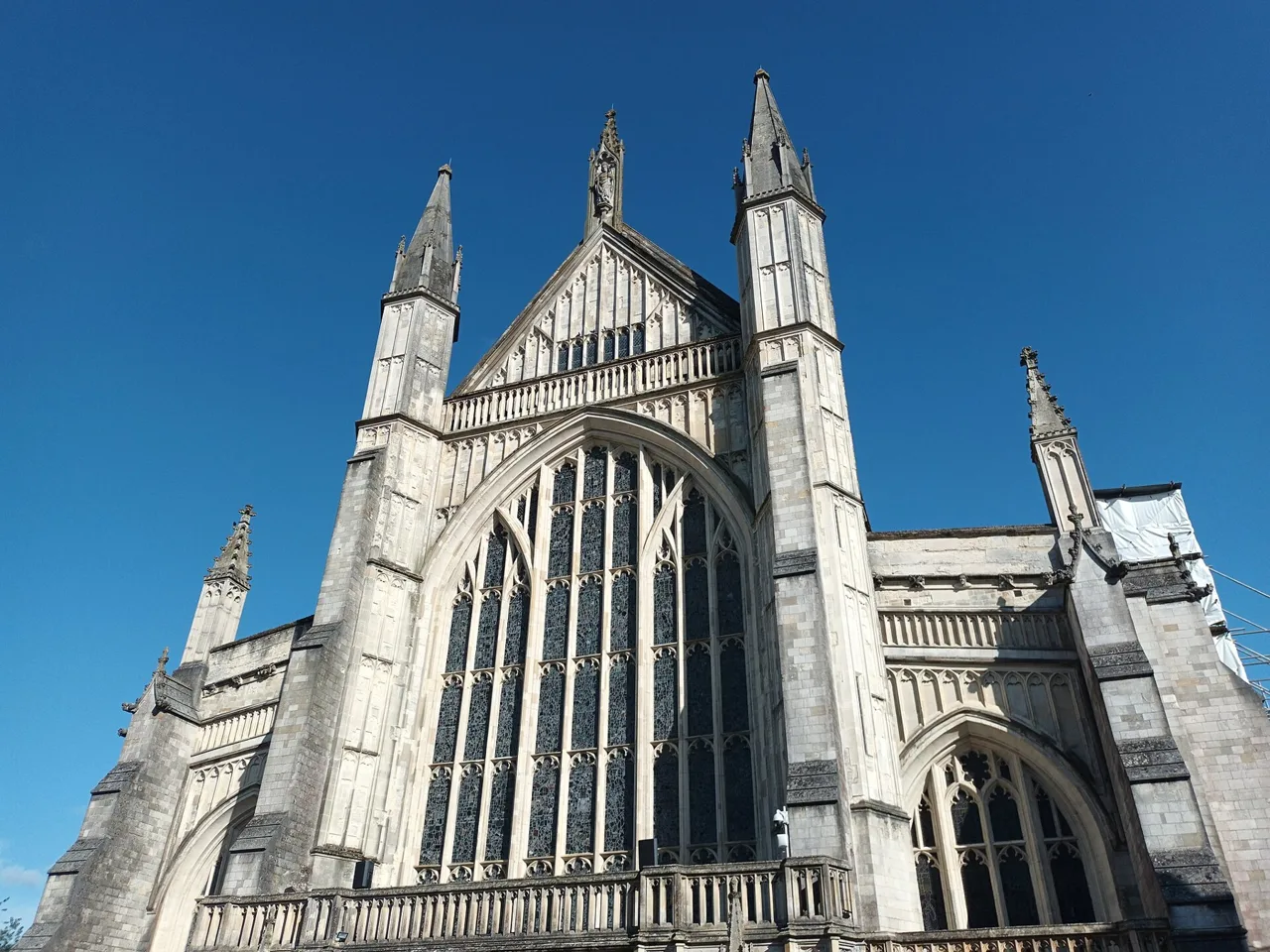
The west front and large window of Winchester Cathedral against a blue sky
Photo: Acediscovery
Cathedrals & churchesPaid entryIndoor

Winchester Cathedral

The long nave makes the first impression, but a satisfying visit slows down around Jane Austen’s grave and the Kings & Scribes exhibition. Pair the monumental building with the smaller personal objects in City Museum next door if literary history is your main interest. Allow time to sit as well as look: this remains a working place of worship, with sightseeing fitted around its daily life.

1½–2 hoursSuggested visit timePlan a visit →
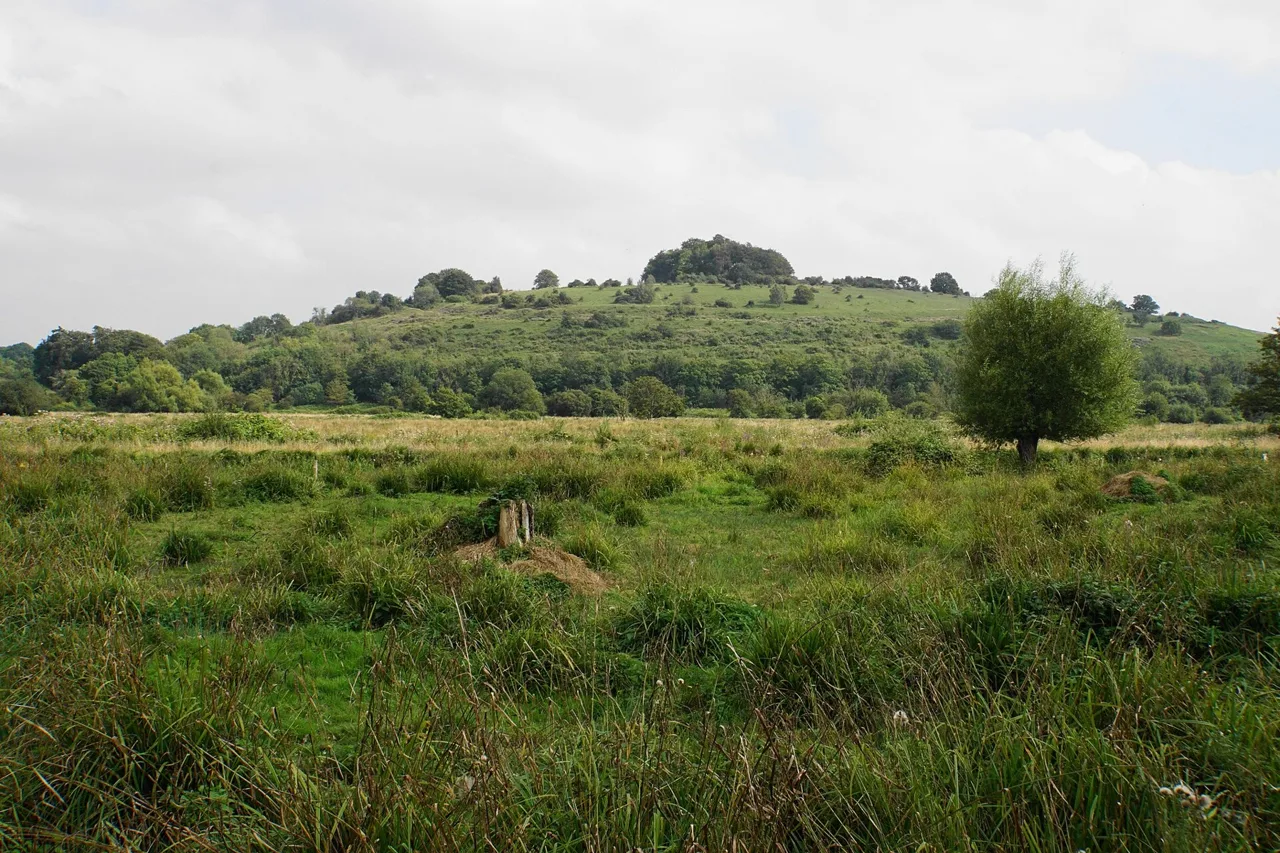
St Faith’s Meadow beside the southern Winchester walking routes
Photo: Bill Boaden
Walks & natureFree entryOutdoor

Water meadows and the Keats Trail

The route from the Cathedral Close towards St Cross changes Winchester’s scale, replacing shopping streets with paths beside a chalk stream and open meadow views. Follow the visitor information centre’s Keats Trail, using its literary stops as reasons to pause. The published circuit is about two miles; allow much longer than a brisk exercise walk if you plan to read the route and photograph the landscape.

1½–2 hours for the trail, plus stopsSuggested visit timePlan a visit →
The lawn and historic buildings in the quadrangle of the Hospital of St Cross
Photo: Hassocks5489
History & gardensPaid entryMixed

Hospital of St Cross

The almshouse buildings and church create a quieter destination south of the centre, particularly after walking out through the water meadows. The quadrangles, gardens and sheltered stone interiors reward an unhurried visit. People still live here: enjoy the visitor areas while respecting the privacy of the Brothers and the continuing charitable purpose of the place.

1–1½ hours, plus travelSuggested visit timePlan a visit →
Surviving stone walls and arched openings at Wolvesey Castle
Photo: Simon Burchell
Castles & ruinsFree entryOutdoor

Wolvesey Castle

High walls, broken windows and traces of rooms reveal the scale of the medieval bishops’ palace behind the cathedral quarter. This is an open-air ruin, with enough surviving structure to imagine the buildings without needing a long indoor visit. It makes a useful contrast after the cathedral or museum, and a manageable destination before deciding whether to walk further towards the meadows.

30–45 minutesSuggested visit timePlan a visit →
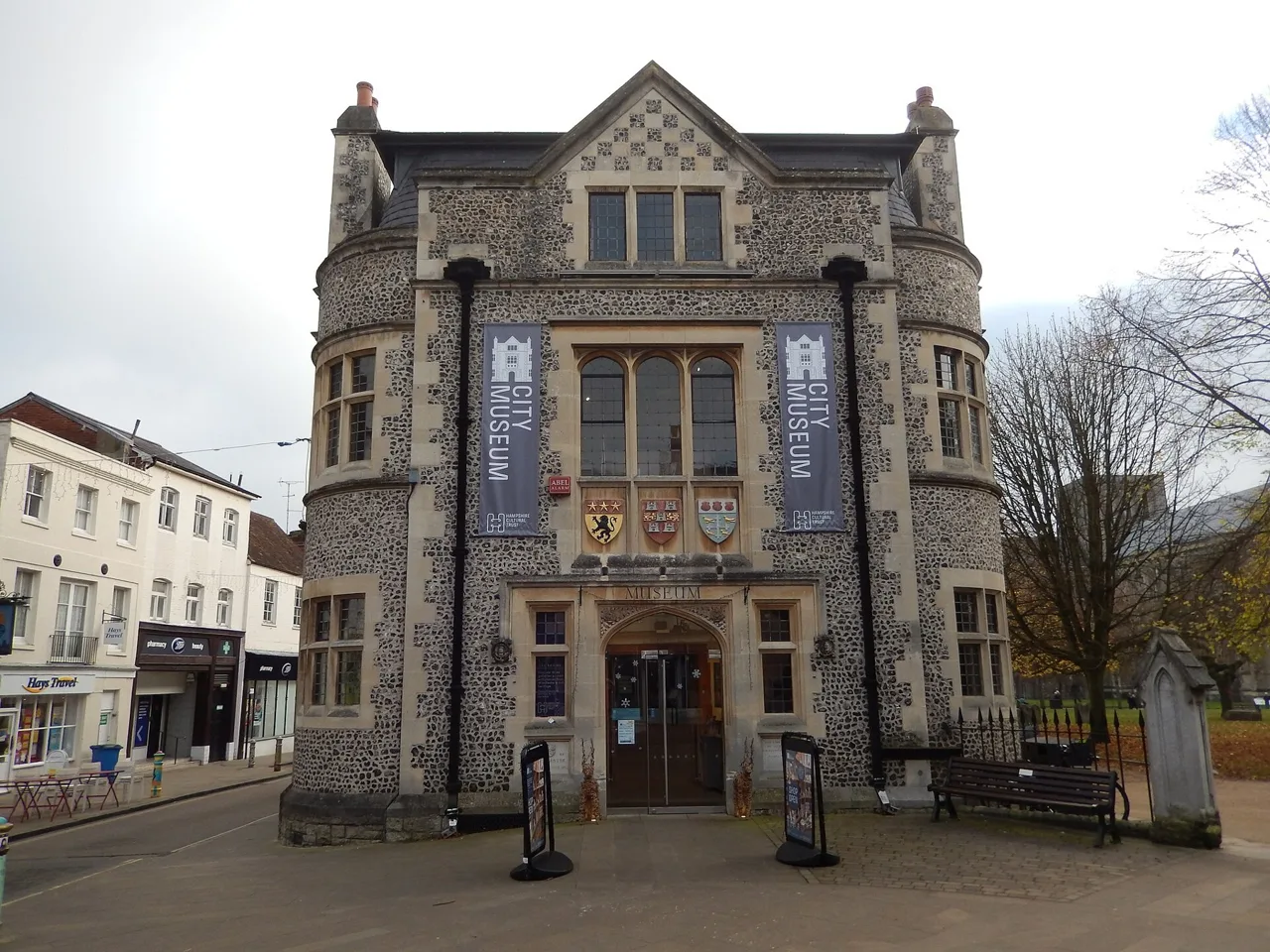
The stone frontage and entrance of Winchester City Museum on The Square
Photo: BabelStone
MuseumsPaid entryIndoor

Winchester City Museum

The model of Victorian Winchester is a useful introduction to the streets you will walk outside. Across three floors, the museum connects the Roman and Anglo-Saxon city with later lives, including possessions belonging to Jane Austen. It works especially well before a cathedral visit: small-scale domestic objects offer a different way into the city’s history from its great buildings.

1–1½ hoursSuggested visit timePlan a visit →
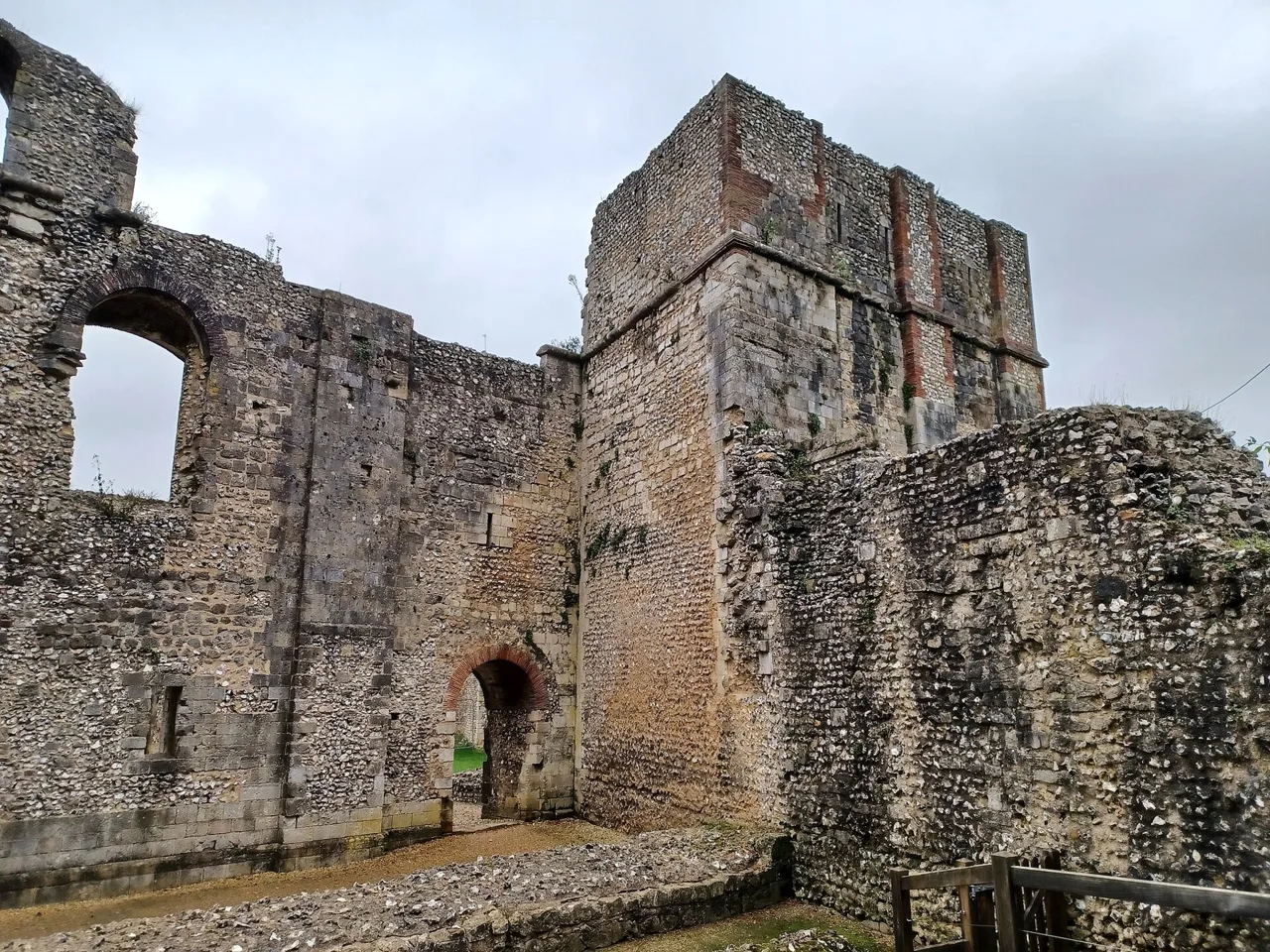
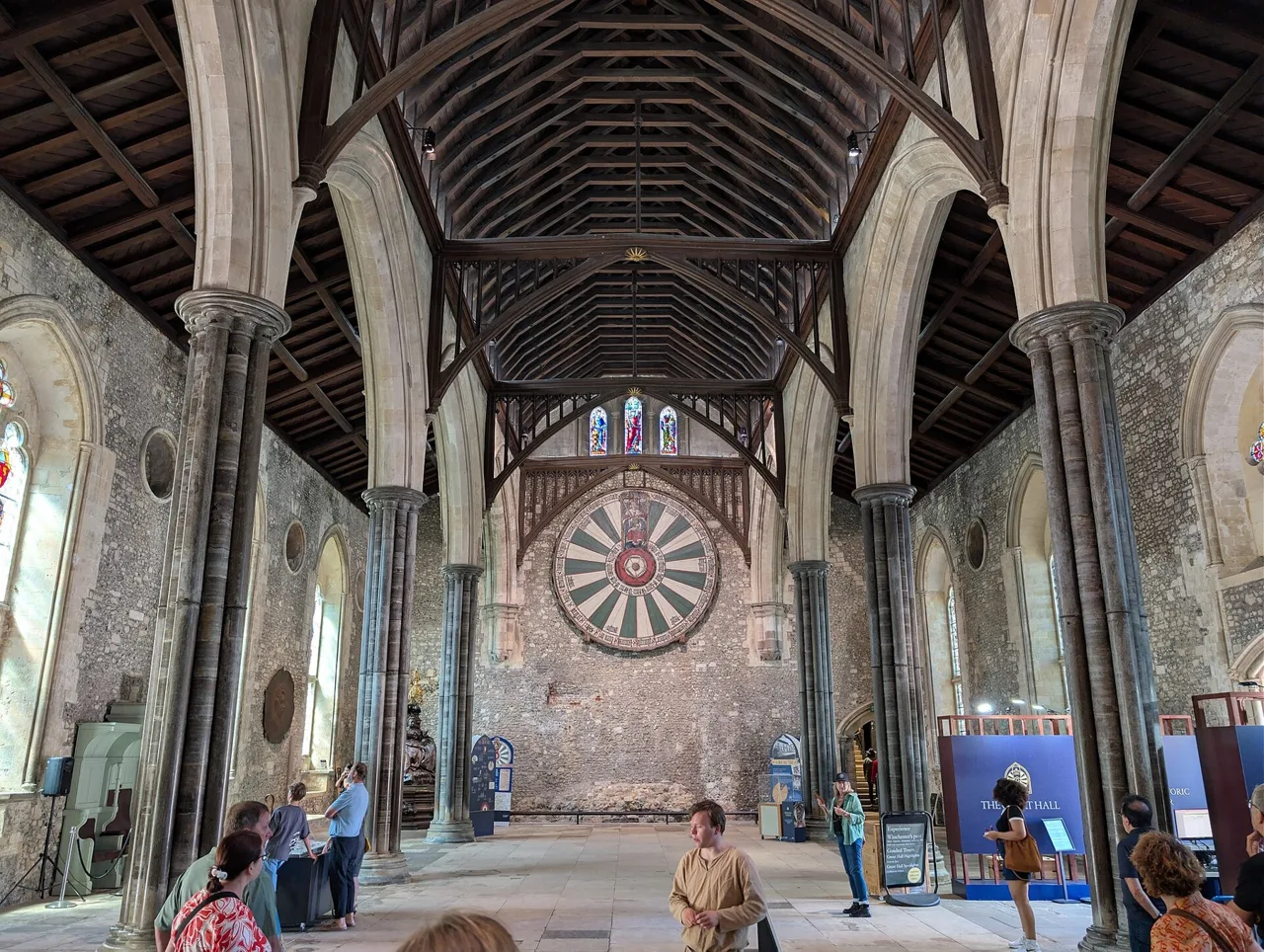
The Round Table above the arched interior of Winchester’s Great Hall
Photo: Andy Li
History & heritagePaid entryMixed

The Great Hall

The Round Table displayed high on the wall gives Winchester’s Great Hall a strong visual centre. Come for the scale of the surviving medieval hall and the way later generations used Arthurian legend, rather than expecting evidence that King Arthur actually sat here. Queen Eleanor’s Garden provides a small outdoor pause before the short walk to Westgate.

45–75 minutesSuggested visit timePlan a visit →

PLAN YOUR DAY

Useful things to know

What is a relaxed first visit for two?

Choose the cathedral, leave time for lunch nearby and walk through the Close afterwards. Add Wolvesey only if you want another stop. A single booked interior gives you more freedom than stacking several admissions.

Plan the main visit →
Can we combine St Cross with the water meadows?

Yes, using the official Keats Trail, but allow a half-day for walking, a visit and a break. Confirm seasonal opening first, especially on Sundays, and decide whether to return through the meadows or by the paved street route.

Check St Cross details →
What if one of us prefers less walking?

Keep the day around The Square and Cathedral Close, with City Museum or the cathedral as your interior. The climb to Great Hall and the longer trip to St Cross are optional; arrange transport if choosing the latter.

Choose a compact stop →
Where should we put the main meal?

Choose a venue close to your main visit: The Square for the cathedral and museum, or the Kingsgate area after a southern walk. Check opening and book directly when timing matters. Do not rely on the St Cross tea room as an all-year full-meal option.

Plan the walk around lunch →

HELP IMPROVE THIS GUIDE

Was this useful?

Tell us what helped, what is missing or what needs correcting. Your feedback goes to the editor.

Please include details when reporting a correction or suggesting an addition.Please leave out personal or sensitive information. How we use feedback